SK
 CZ

1. A Woman Who Was Decades Ahead of Her Time
At a time when women in laboratories had to fight for respect, Professor Katarína Horáková was not only a pioneer in cancer drug research but also a woman of extraordinary strength, curiosity, and determination. Today, Professor Horáková is 91 years old—she remains mentally and physically alert, with a passion for science, health, and prevention. She is living proof that what she has spent years researching truly works. Her life story is a fascinating testament to the power of nature, scientific precision, and the courage to explore where no one else had yet seen potential.
Her story is incredible not only because of the discovery itself, but also because of how she lived with it for years without recognition, while the world was discovering something she had known for a long time.
“What I discovered in broccoli, I couldn’t even name decades ago. But I knew it had enormous potential to protect cells from cancer.”
Her research wasexceptional at the time—a Slovak research team managed to isolate a substance from broccoli and cabbage that had powerful detoxifying and cytoprotective effects. In the context of the former Czechoslovakia, without access to modern technologies or grants from the West, she achieved something that was ahead of its time.

And although the official “discovery” of sulforaphane was credited to an American team led by Dr. Paul Talalay in 1992, Professor Horáková knows better. And she doesn’t seek recognition—she says her greatest satisfaction is that her work helps people today. But she isn’t done yet; she continues her work.
Today, she returns to sulforaphane not only as a scientist but also as living proof that prevention, diet, and natural substances can extend not only life but also its quality.She wants to continue living a meaningful life in the years to come, and that is why the Universe has brought her together with the expert team at Zdravý svet and its founder, journalist and researcher Ing. Pavol Machnič, who has been dedicated to phytotherapy, psychology, and the philosophy of health for more than two decades, has written over 300 articles on health, and is an expert on longevity. In recent years, he has also been focusing on so-called biohacking. Biohacking is a modern approach to optimizing health, performance, and longevity through science, technology, nutrition, and lifestyle changes.
The goal of biohacking is to consciously influence biological processes —from sleep and energy to gene expression—and thereby improve quality of life, prolong youth, and prevent disease.
Thus, a collaborative project has emerged with the goal of putting into practice what science has been researching for years—practical, highly effective, and safe solutions for health, longevity, and the prevention of chronic diseases.

2. Sulforaphane Under the Microscope: A Small Molecule with a Huge Impact
Sulforaphane (SFN) is a natural compound belonging to the group of isothiocyanates—biologically active substances formed from glucosinolates when the cells of cruciferous vegetables are mechanically disrupted (e.g., when chopped, chewed, or blended). The richest known sources are broccoli seeds and sprouts—they contain 20 to 100 times more of the precursor glucoraphanin than mature broccoli.
But why all the fuss over a single compound?
As we’ve already mentioned, sulforaphane is part of a group of plant phytochemicals. In the body, it stimulates the production of important enzymes that neutralize free radicals. Since inflammation and free radicals are responsible for many types of cancer, this is a major issue. It appears that isothiocyanates also block certain cancer-promoting enzymes in the body, thereby providing double protection. Sulforaphane has been extensively and thoroughly tested, and the results of clinical studies suggest that it may:
• help protect against various types of cancer (including colon, prostate, breast, skin, lung, stomach, and others),
• reduce the risk of neurodegenerative diseases, eye diseases, respiratory problems, heart disease, and other health issues, likely due to its free radical-scavenging effects,
• support brain and digestive system health.

Sulforaphane is now considered one of the most powerful natural compounds with the potential to influence several key mechanisms in our body:
- it activates cellular defense mechanisms, neutralizes free radicals,
- has anti-inflammatory effects and supports detoxification,
- reduces the risk of lifestyle-related diseases,
- has senolytic effects and activates autophagy and repair mechanisms,
and even crosses the blood-brain barrier, thereby protecting the brain.
How does sulforaphane fight aging? What do we know about it so far?
Research studies have confirmed that the primary effect of sulforaphane is the activation of a protein called Nrf2, which is the main “switch” for cellular protection. This special protein is found in every cell of the body. When activated, Nrf2 binds to ARE (Antioxidant Response Element), a switch that controls the production of antioxidants in the body. So when Nrf2/ARE is activated, our body begins to produce glutathione, catalase, and superoxide dismutase—as well as other antioxidant and detoxifying enzymes. These enzymes work to neutralize reactive oxygen species (ROS) and other harmful molecules that accumulate in cells over time. This reduces inflammation and helps the body protect itself against diseases that lead to aging and age-related conditions.
This“anti-aging switch” is why sulforaphane is classified as a geroprotectant —a substance with the potential to slow down the aging process at the cellular level. Unlike synthetic drugs, it has the advantage of being naturally occurring in the body, non-toxic, and readily available through diet or dietary supplements.
3. Detoxification Activator—How Sulforaphane Supports Glutathione
At a time when our bodies are bombarded daily with toxins from food, air, water, and stress, the body’s ability to detoxify itself is crucial for health and longevity. As we’ve already mentioned, sulforaphane activates several enzymes—including glutathione —which is the king of all antioxidants and plays a major role in neutralizing free radicals, detoxifying heavy metals, and protecting the liver, brain, and other organs. Unlike vitamins C and E, which are depleted during oxidation, glutathione is recycled in the body—and it is sulforaphane that increases both its production and regeneration.
Cellular cleansing at the molecular level
Sulforaphane, therefore, does not merely act as an antioxidant —it is an indirect antioxidant that teaches cells to “fight on their own” by increasing their internal capacity to cope with oxidative stress. This mechanism:
reduces chronic inflammation, neutralizes chemical toxins (e.g., pesticides, BPA, exhaust fumes), and protects cells from DNA damage and premature aging.
The most pronounced effect was observed in the tissues most exposed to toxic stress— the liver, intestines, kidneys, and lungs.
Next-Generation Detoxification
While traditional detoxification often involves fasting, laxatives, or drastic diets, sulforaphane offers a new generation of cellular detoxification —one that is intelligent, physiological, and supportive of the body’s natural processes. Combined with a high-quality diet and an active lifestyle, it is one of the most effective tools for protecting health in a toxic world.
 4. Sulforaphane vs. Cancer—A Selective Killer of Mutated Cells
Cancer is one of the most feared diagnoses today. However, in recent years, scientists have increasingly pointed out that certain substances found in food can significantly influence both the development and progression of this disease. Sulforaphane is one of the most promising compounds with a targeted anticarcinogenic effect.
A Targeted Attack on Cancer Cells
The uniqueness of sulforaphane lies in its ability to recognize and selectively destroy cancer cells while leaving healthy cells unharmed. This is a fundamental difference from chemotherapy, which damages all rapidly dividing cells in the body—both healthy and malignant.
Laboratory and clinical studies show that sulforaphane:
- inhibits (slows) the growth of cancer cells,
- stops the cell cycle and prevents tumor cells from dividing,
- triggers apoptosis —the natural program of cell death in damaged cells,
- and at the same time protects healthy cells from oxidative and genetic damage.
An Aid to Modern Oncology
Research shows that sulforaphane increases the sensitivity of cancer cells to chemotherapy and may even reduce the required doses of cytostatic drugs. This means fewer side effects and greater treatment efficacy. Its combination with traditional therapeutic approaches is thus increasingly coming to the forefront of oncologists’ interest.
Another interesting fact is that sulforaphane inhibits the activity of carcinogen-activating enzymes, which are responsible for converting harmless substances into carcinogens (e.g., through smoking or excessive consumption of grilled meat). At the same time , it supports detoxification enzymes that neutralize carcinogens.
Cancer Can Be Prevented
Epidemiological studies show that regular consumption of cruciferous vegetables 3–5 times a week (especially raw or lightly steamed) reduces the risk of cancer by 30–40%. Broccoli sprouts have the highest sulforaphane content, containing up to 20–100 times more glucoraphanin than mature broccoli.
Prevention is key, and sulforaphane offers enormous potential in this regard— it combines the power of nature with the insights of modern science and shows a way to fight cancer even before it develops.
 5. Senescent Cells—So-Called “Zombie Cells” and the Mystery of Autophagy
Billions of cells in our bodies are constantly being renewed. Some die naturally, while others divide to replace old tissue. But over time, this cycle becomes disrupted— senescent cells emerge that no longer perform their function; they do not divide, yet they do not die either. This is precisely why they are called “zombie cells” —dead, yet still present.
Substances capable of selectively inducing cell death in aging cells, known as senolytic agents, currently represent one of the most promising areas of research.
As a result, nutraceuticals that kill zombie cells are entering the market. Among the most promising senolytic compounds are curcumin, quercetin, resveratrol, epigallocatechin gallate (EGCG), sulforaphane, and urolithin A—a postbiotic nutrient produced by our gut microbiota after ingesting polyphenols found in foods such as pomegranates, berries, and nuts.
To maintain our health not only in middle age but also in old age, we must first and foremost understand how our cells function—especially the changes that occur within them during this period and threaten our vitality. I invite you to join me in exploring the world of zombie cells— worn-out, aging cells, scientifically known as senescent cells—and to learn how to eliminate them.
The number ofsenescent cells in the human body increases with age. Around the ages of 50–60, they begin to accumulate in various organs, which contributes to a weakened immune system. This, in turn, affects the body’s ability to cope with stress or diseases such as cancer, diabetes, osteoporosis, cardiovascular disease, stroke, Alzheimer’s disease, or dementia, as well as recovery from injuries and the ability to learn new things.
Scientists have discovered that the cause lies in damaged, old, dysfunctional senescent cells that secrete potent toxins which disrupt neighboring healthy cells. These old, damaged cells begin to secrete inflammatory substances (known as SASP—senescence-associated secretory phenotype), which damage surrounding healthy cells. Just as a single piece of rotten fruit, if not removed in time, spoils the entire bowl of fruit, a relatively small number of aging cells in various organs of our body persist and spread inflammation that damages neighboring cells. These senescent cells form over the course of our lives as a result of DNA damage and telomere shortening; they are closely linked to mitochondrial dysfunction and are responsible for essential cellular recycling processes.
So we certainly understand that it is necessary to remove these damaged cells from circulation, eliminate them, and dispose of them as soon as possible.

But how? Through surgery, with a scalpel?
This approach is not feasible. Nature provides us with a more subtle, targeted solution: autophagy—the body’s own intracellular cleanup process. This intriguing-sounding word comes from Greek and consists of two words: auto (self) and phagein (to eat). It follows that autophagy literally means “self-eating,” which we now know is a universal weapon against age-related diseases.
Autophagy is in our hands.
1. How? Let’s not snack all day long; let’s cut out mid-morning snacks, afternoon snacks, a second dinner, as well as late-night eating and drinking. Let’s aim for a maximum of three meals a day within an 8-hour window. This is 18/8 or 18/6 fasting. Through these meals, let’s provide our bodies with all the necessary nutrients. Let’s treat ourselves to wholesome food that focuses on the quality and quantity of proteins, fats, and carbohydrates. Let’s avoid processed foods and fast food. So, with enjoyment and love, let’s consciously support our bodies. After all, we live with them our whole lives. Our recommendation: Let’s not hesitate—let’s do something beneficial for ourselves as soon as possible.
2. Why? Autophagy is triggered when our pancreas stops producing the hormone insulin, which occurs only after digestion is complete. In other words, insulin suppresses autophagy. Let’s consider autophagy a fascinating process taking place within our bodies. From a molecular biologist’s perspective, it corresponds to the “catharsis” (internal cleansing) that people who have experienced it often speak of. Moreover, autophagy is a universal weapon against age-related diseases. It is irreplaceable and vital.
The proof is that all organisms, from simple yeast cells to humans, engage in it.
And this is where sulforaphane comes into play.
Sulforaphane as a Natural “Senolytic.”
Sulforaphane has the ability to remove senescent cells while stimulating the formation of new, healthy cells. It is one of the powerful natural senolytics —substances that promote apoptosis (programmed cell death) of these “zombie” cells without damaging healthy tissues.
In this way, it cleanses the cellular environment, reduces inflammation, slows biological aging, and improves tissue regeneration.
Longevity Begins at the Cellular Level
Let’s recap: Scientists agree that the accumulation of senescent cells is one of the main causes of biological aging. Their elimination and the promotion of autophagy are therefore considered key strategies for extending healthy life.
Sulforaphane is emerging as one of the most powerful tools available to naturally influence these processes—without genetic intervention or complex drug therapy.
 6. Neuroprotection: Sulforaphane as a Shield for the Brain and Nervous System
The brain is the number one organ. It receives the most oxygen and the best nutrients. It is the only organ protected by the blood-brain barrier. The blood-brain barrier (BBB) is a special protective “filter gate” between the blood and the brain. It functions as a strict security system that allows only selected substances—such as oxygen, glucose, or certain vitamins—to pass through, while blocking toxins, pathogens, or harmful chemicals that could damage brain tissue. Of course, it cannot function 100% effectively, and a number of substances still manage to penetrate it.
Our brain health affects not only the quality of our daily lives but also our lifespan free from degenerative diseases. Especially at a time when the incidence of dementia, Alzheimer’s, and Parkinson’s disease—as well as depression and autism spectrum disorders—is on the rise, the search for effective and natural protective mechanisms is more important than ever before.
One of the most promising compounds in the field of neuroprotection is sulforaphane.
It penetrates the brain: Sulforaphane crosses the blood-brain barrier.
One of the most significant discoveries is sulforaphane’s ability to cross the blood-brain barrier, which means it can reach brain tissue directly and influence processes in the central nervous system. This property classifies it among the so-called nootropics —substances that support brain function, memory, concentration, and overall cognitive performance.
Neuronal Protection and Regeneration
Research shows that sulforaphane can protect neurons from damage, reduce inflammation in the brain, and support neuriteogenesis —the growth and regeneration of nerve fibers. These effects are particularly important in cases of brain injury, neurodegenerative diseases, or following ischemic events (e.g., stroke).
In addition, sulforaphane appears to modulate the activity of microglia —immune cells in the brain that play a role in both inflammatory and regenerative processes.
Antidepressant Effects and Mental Health Support
In both preclinical and clinical studies, sulforaphane has been shown to be effective in alleviating symptoms of depression and anxiety. It is believed that this effect stems from a combination of antioxidant, anti-inflammatory, and detoxification mechanisms that influence neurotransmitter levels, particularly those of dopamine and serotonin.
Sulforaphane thus affects not only the brain’s “physiology” but also emotional balance —which is particularly important today in an era of chronic stress, burnout, and mental health disorders.
Hope for Autism and Developmental Disorders
One of the most surprising areas of research is the effect of sulforaphane on the autism spectrum. Randomized, placebo-controlled studies have shown that sulforaphane supplementation can improve social interactions and verbal communication and reduce stereotypical behaviors in children and adolescents with autism.
Although these are pilot studies, their results are so compelling that further research in this area is underway.
Research on Neurodegeneration
Sulforaphane is also being intensively studied as a preventive measure and adjunct therapy for neurodegenerative diseases such as:
- Alzheimer’s disease —reduction of beta-amyloid plaques, improvement of mitochondrial function.
- Parkinson’s disease —protection of dopaminergic neurons.
- Multiple sclerosis (MS) —reduction of inflammation and oxidative stress.
These effects do not yet mean that sulforaphane cures these diseases, but they demonstrate its enormous potential as a preventive or supportive nutraceutical within a multidisciplinary approach.
Summary
Sulforaphane is not merely a substance that protects cells from toxins. Thanks to its ability to cross the blood-brain barrier and modulate neurological processes, it represents a significant discovery in the field of neuroprotection. It supports brain health, enhances stress resilience, improves mood, and may play a role in the prevention of certain neurological disorders.
 Chapter 7: Sulforaphane—A Shield for the Heart, an Anti-Inflammatory, and an Enemy of Bacteria
Modern medicine is increasingly showing that chronic inflammation underlies most lifestyle-related diseases. It’s not just about joint pain or fatigue—inflammation silently damages blood vessels, the brain, the digestive tract, and metabolism. In this context, sulforaphane emerges as an exceptional natural tool that tackles multiple fronts at once.
Protecting the Heart and Blood Vessels
Sulforaphane acts as a cardioprotective compound, affecting the heart and blood vessels through several mechanisms:
It reduces oxidative stress and inflammation in the vascular endothelium, which helps prevent atherosclerosis. It promotes the production of glutathione —the most important cellular antioxidant. It releases hydrogen sulfide (H₂S), which has a vasodilatory effect and helps regulate blood pressure. Clinical studies in both animals and humans have demonstrated reductions in the levels of: LDL cholesterol, triglycerides, and C-reactive protein (CRP) —a key marker of inflammation. It helps lower blood pressure in people with hypertension.
In this way, sulforaphane contributes to the prevention of cardiovascular diseases, which are the leading cause of death in the developed world.
An anti-inflammatory effect you can feel
Sulforaphane isn’t just an antioxidant. It’s a smart modulator of inflammation: It activates the Nrf2 pathway, which triggers the production of anti-inflammatory enzymes. It reduces the expression of pro-inflammatory cytokines such as TNF-α and IL-6. It promotes autophagy —the intracellular “cleanup” of damaged proteins and organelles. It activates heat shock proteins (HSP27), which protect cells from stress and prolong their functionality.
The result is a reduction in chronic pain, migraines, joint inflammation, and generalized pain —typical of burnout syndrome, fibromyalgia, or chronic fatigue syndrome.
A Powerful Foe of Helicobacter pylori
One of sulforaphane’s most impressive abilities is the natural eradication of Helicobacter pylori —the bacterium responsible for gastritis, stomach ulcers, and an increased risk of stomach cancer.
In a clinical study involving humans, in which patients were given 70 g of broccoli sprouts daily (containing 420 micromoles of glucoraphanin, a precursor of sulforaphane),its potent activity against Helicobacter pylori was confirmed, including strains resistant to conventional antibiotics. Sulforaphane significantly reduced not only biomarkers of H. pylori colonization but also biomarkers of gastric inflammation. These values returned to their original levels 2 months after the end of treatment.
The results thus confirmed a dual mechanism of action for sulforaphane: 1. Direct bactericidal (bacteria-killing) action targeting both extracellular (outside the cell) and intracellular (inside the cell) forms of H. pylori. 2. An indirect effect that activates the Nrf2 pathway, which promotes the production of antioxidant and detoxifying enzymes that protect gastric tissue.
All of this makes sulforaphane a promising candidate for the prevention of stomach cancer and as a supplement to conventional eradication therapy.
This chapter thus highlights the power of sulforaphane as a comprehensive “orchestrator of health” that combines cardiovascular protection, reduced inflammation, metabolic balance, and potent effects in the digestive tract.

8. Conclusion: Sulforaphane—A Simple Key to Complex Health
At a time when we face lifestyle-related diseases, chronic inflammation, cellular degeneration, and aging, sulforaphane is emerging as an unexpected hero of modern medicine.
It is not a miracle molecule from a laboratory. It is a natural compound that you can grow in your kitchen or take in the form of a high-quality extract. And yet it possesses abilities that have fascinated science for decades:
It supports detoxification and activates cellular repair. It protects the brain, heart, blood vessels, and intestines. It reduces inflammation and pain and helps cells live longer and healthier lives. It targets cancerous and damaged cells without harming healthy ones. It promotes mental alertness, resilience, and overall vitality.
✅ What can you do today?
- Include broccoli or cabbage sprouts in your diet—just a small handful a day is enough.
- Choose a high-quality, standardized sulforaphane extract —ideally in a stable form, such as our Longevity Booster product.
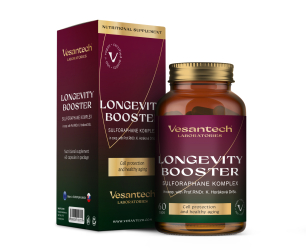 BFVesantech Sulforaphane Longevity Booster
To support long-term health, vitality, and the body’s resistance to serious diseases.
45,00 €
- Combine it with other longevity strategies: autophagy, exercise, stress management, and good sleep.
- Think long-term— aging is a process you can influence starting today.
A Legacy for Future Generations
Prof. RNDr. Katarína Horáková, DrSc., co-author of the article that discovered sulforaphane, is 91 years old today and remains physically and mentally vibrant. She is living proof of what we now call the “longevity mindset”—a conscious approach to health where decisions are made not during illness, but during times of vitality.
She has joined forces with our expert research team at Vesantech Laboratories, which I lead— Ing. Pavol Machnič. I am a , publicist, psychologist, and developer of dietary supplements, and I am the founder of the Blue Zone Slovakia & Czechia project. Together, we are creating new generations of natural products designed to support longevity with a high quality of life.

References:
Aliabbas Zia, Tahereh Farkhondeh, Ali Mohammad Pourbagher-Shahri, Saeed Samarghandian: The role of curcumin in aging and senescence: Molecular mechanisms. Biomedicine & Pharmacotherapy, Volume 134, February 2021, 111119
D’Amico, Pénélope, A. Andreux, Pamela Valdés, et al.: Impact of the Natural Compound Urolithin A on Health, Disease, and Aging. Trends in Molecular Medicine, Volume 27, Issue 7, July 2021, Pages 687–699
Ivan Dikic & Zvulun Elazar: Mechanism and Medical Implications of Mammalian Autophagy. *Nature Reviews Molecular Cell Biology*, Volume 19, pp. 349–364 (2018)
FENG, Yuchen; HE, Ding; YAO, Zhiyuan. The machinery of macroautophagy. Cell Research. January 2014, Vol. 24, No. 1, pp. 24–41.
Hughes T, Rusten TE. Origin and evolution of self-consumption: autophagy. Adv Exp Med Biol. 2007;607:111-8. doi: 10.1007/978-0-387-74021-8_9. PMID: 17977463.
Chondrogianni N, Kapeta S, Chinou I, Vassilatou K, Papassideri I, Gonos ES. Anti-aging and rejuvenating effects of quercetin. Exp Gerontol. 2010 Oct;45(10):763-71. doi: 10.1016/j.exger.2010.07.001. Epub 2010 Jul 7. PMID: 20619334.
Kamal RM, Abdull Razis AF, Mohd Sukri NS, et al.: Beneficial Health Effects of Glucosinolates-Derived Isothiocyanates on Cardiovascular and Neurodegenerative Diseases. Molecules. 2022 Jan 19;27(3):624. doi: 10.3390/molecules27030624. PMID: 35163897; PMCID: PMC8838317
Longo VD, Di Tano M, Mattson MP, Guidi N. Intermittent and periodic fasting, longevity, and disease. Nat Aging. Jan 2021;1(1):47-59. doi: 10.1038/s43587-020-00013-3. Epub Jan 14, 2021. PMID: 35310455; PMCID: PMC8932957.
Matthews C, Gorenne I, Scott S, Figg N, Kirkpatrick P, Ritchie A, Goddard M, Bennett M. Vascular smooth muscle cells undergo telomere-based senescence in human atherosclerosis: effects of telomerase and oxidative stress. Circ Res. July 21, 2006;99(2):156-64. doi: 10.1161/01.RES.0000233315.38086.bc. Epub June 22, 2006. PMID: 16794190.
Mejías-Peña, Y., Rodriguez-Miguelez, P., Fernandez-Gonzalo, R., et al. Effects of aerobic training on markers of autophagy in the elderly. AGE 38, 33 (2016). https://doi.org/10.1007/s11357-016-9897-y
Minamino T, Komuro I. [Antisenescence as a novel therapeutic strategy for vascular aging]. Nihon Ronen Igakkai Zasshi. May 2006;43(3):347-50. Japanese. doi: 10.3143/geriatrics.43.347. PMID: 16813094.
Pagano AF, Py G, Bernardi H, Candau RB, Sanchez AM. Autophagy and protein turnover signaling in slow-twitch muscle during exercise. Med Sci Sports Exerc. 2014;46:1314–1325. PAPANDREOU, Margarita-Elena; TAVERNARAKIS, Nektarios. Nucleophagy: from homeostasis to disease. Cell Death & Differentiation. April 2019, vol. 26, no. 4, pp. 630–639. ↑ Xenophagy. In: The Great Medical Dictionary [online]. 1998–2018 [cited October 21, 2018].
Payne A, Nahashon S, Taka E, Adinew GM, Soliman KFA. Epigallocatechin-3-Gallate (EGCG): New Therapeutic Perspectives for Neuroprotection, Aging, and Neuroinflammation for the Modern Age. Biomolecules. Feb. 25, 2022;12(3):371. doi: 10.3390/biom12030371. PMID: 35327563; PMCID: PMC8945730.
Rajendran P, Alzahrani AM, Hanieh HN, Kumar SA, Ben Ammar R, Rengarajan T, Alhoot MA. Autophagy and senescence: A new insight into selected human diseases. J Cell Physiol. Dec 2019;234(12):21485-21492. doi: 10.1002/jcp.28895. Epub May 29, 2019. PMID: 31144309.
Santín-Márquez R, Alarcón-Aguilar A, López-Diazguerrero NE, Chondrogianni N, Königsberg M. Sulforaphane—role in aging and neurodegeneration. Geroscience. October 2019;41(5):655-670. doi: 10.1007/s11357-019-00061-7. Epub April 2, 2019. PMID: 30941620; PMCID: PMC6885086.
Turkiewicz S, Ditmer M, Sochal M, Białasiewicz P, Strzelecki D, Gabryelska A. Obstructive Sleep Apnea as a Trigger Accelerating Cellular Senescence Processes through Telomere Shortening. Int J Mol Sci. 2021 Nov 21;22(22):12536. doi: 10.3390/ijms222212536. PMID: 34830418; PMCID: PMC8624921.
Zhang W, Hui R, Yang S. Telomeres, cardiovascular aging, and potential interventions for cellular senescence. Sci China Life Sci. Aug 2014;57(8):858-62. doi: 10.1007/s11427-014-4700-8. Epub 2014 Aug 8. PMID: 25104460.
Zhou DD, Luo M, Huang SY, Saimaiti A, Shang A, Gan RY, Li HB. Effects and Mechanisms of Resveratrol on Aging and Age-Related Diseases. Oxid Med Cell Longev. July 11, 2021;2021:9932218. doi: 10.1155/2021/9932218. PMID: 34336123; PMCID: PMC8289612.
Xiao-Han Zhou, Ya-Xi Luo1, Xiu-Qing Yao: Exercise-driven cellular autophagy: A bridge to systematic wellness. Journal of Advanced Research. Available online January 3, 2025
YANG, Zhifen; KLIONSKY, Daniel J. An Overview of the Molecular Mechanism of Autophagy. Edited by Beth Levine, Tamotsu Yoshimori, Vojo Deretic. Volume 335. Berlin, Heidelberg: Springer Berlin Heidelberg DOI: 10.1007/978-3-642-00302-8_1.
Ahmed, K.S., Basheer Madompoyil, et al.: Studying the Importance of the VacA Gene of Helicobacter pylori in Identifying the Pathogenicity of Strains by Comparing It with the Disease Status of the Subjects. Journal of Cancer Therapy. 2013; 4(01), 68–74
Blaser MJ & Atherton JC.: Helicobacter pylori Persistence: Biology and Disease. The Journal of Clinical Investigation. February 1, 2004. 10.1172/JCI20925
Yanaka A, Fahey JW, et al.: Dietary Sulforaphane-rich Broccoli Sprouts Reduce Colonization and Attenuate Gastritis in Helicobacter pylori-infected Mice and Humans. Cancer Prev Res (Phila). 2009; 2(4): 353-60