SK
 CZ

How to Recognize Depression
When we read about depression, in 99% of cases we read that we are supposed to experience a low mood, negative thoughts, suicidal thoughts, pessimism, anxiety, a diminished ability to feel joy, and similar mental symptoms. However, depression doesn’t necessarily involve only mental symptoms; it can also manifest as severe physical problems even when one’s mental state is relatively normal.
Often, these physical manifestations of depression have a secondary cause related to neurotransmitters, particularly serotonin, which influences many biochemical processes in our bodies. This is very often preceded by problems in the digestive tract, especially inflammation in the intestines, disruption of the gut microbiota, and severe bacterial infections. Serotonin deficiency is a common issue, particularly after Lyme disease, since not only the infection itself but also long-term antibiotic use can significantly disrupt the gut microbiota.
What Is Depression
Depression can be characterized as a serious and long-lasting mental disorder. There are several degrees of depression, ranging from mild to moderate to severe. In severe cases, psychotic symptoms such as hallucinations, delusions, and various types of mania may even occur.
In addition, there are several types of depression. These include, for example, anxiety-related depression, clinical depression, and depression during pregnancy. You may be surprised to learn that depression is not uncommon among men, women, or even children.
An important step in fighting depression and learning to overcome it is being able to diagnose your condition and not underestimate it, because untreated depression is truly a major problem for a person’s functioning and ability to “live life.”

Accurate diagnosis is essential
Doctors currently have very little time to spend with a patient, making it impossible to diagnose depression in the five minutes they have with you. As a result, this diagnosis often takes a relatively long time to reach. In the meantime, however, people’s quality of life is significantly reduced; many are unable to work and are on long-term sick leave. People are alarmed by “heart attack symptoms,” and when the ambulance arrives, they find, for example, high blood pressure and give you magnesium at most.
So if you’re experiencing heart palpitations, arrhythmias, chest pain, a sudden rise in blood pressure, a drop in energy, and increased fatigue; if you have trouble concentrating or sleeping, as well as a decreased or increased appetite; if your neck stiffens and your back hurts; or if you’ve noticed a decline in sexual interest, you may be suffering from depression.
Symptoms of Depression
Since serotonin is a so-called inhibitory neurotransmitter, a deficiency in it has a significant impact on the poor regulation of numerous processes in our body. To put it very simply, a disrupted nervous system sends incorrect signals to vital organs, and unless serotonin levels reach the appropriate level—which varies slightly from person to person—you can do whatever you want and still not feel right.
Find Out What You’re Missing
Serotonin production is also influenced by the amount of sunlight; in our part of the world, these issues worsen with the onset of fall and throughout the winter. Patients typically have no energy during this time, as the absorption of B vitamins—especially B12—is significantly reduced. These people may also experience sleep disturbances, as serotonin plays a fundamental role in the production of melatonin—the so-called “sleep hormone.” At the other extreme, an excess of melatonin can develop, causing a person to want to sleep all the time.

Can Antidepressants Solve This?
When a doctor correctly diagnoses your problem, they’ll prescribe antidepressants. In many cases, people aren’t at all concerned about the abundance of heavy medications with very strong physical and psychological dependence that negatively affect attention, but when the topic of antidepressants comes up, they find them absolutely unacceptable. It’s as if they were labeled: “If you take these, you’ll become mentally ill!” However, a serotonin deficiency does not automatically label you as mentally ill. Failing to address this problem, however, will cause a major problem in your lives.
Natural Treatment Options
Let’s take a look at natural treatment options, since we do have natural “antidepressants.” There are several options for natural remedies. It’s best to approach treatment holistically, because piecemeal solutions are just a waste of money.
If you want to get rid of the unpleasant symptoms of this mental illness, be aware that overcoming depression without medication can be very difficult and is usually a very long process. In many cases, it’s even necessary to combine natural treatments for depression with prescription medications prescribed by your doctor.
Even in natural treatments for anxiety, depression, and stress, it is extremely important to focus on the body’s use of serotonin. Among natural remedies, saffron and ashwagandha are excellent antidepressants. It is precisely this combination that you’ll find in the modern liposomal anti-stress complex.
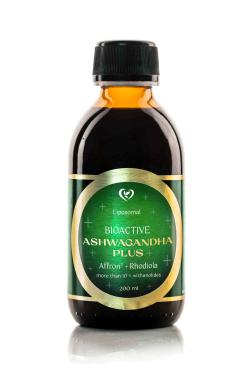
A unique formula for stress, anxiety, and sleep disturbances
I always recommend that patients with depression take a potent mega B-complex vitamin supplement with a high dose of vitamin B12 and vitamin D3, and in every case, some highly absorbable—preferably liposomal—magnesium. Magnesium oil is an exceptionally suitable form of magnesium; it can also help relieve stiffness throughout the entire spine, as it is absorbed through the skin. Liposomal vitamins will be your trusted allies that you can rely on.
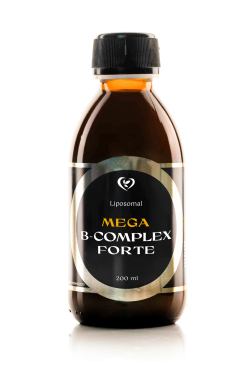
Liposomal Vitamin B Complex Forte with High Bioavailability
It’s definitely worth a try
- In addition to these essential vitamins and magnesium, you can also try purified L-tryptophan. L-tryptophan is one of the proteinogenic amino acids, and serotonin and melatonin are derivatives of this amino acid (meaning they can be produced directly from it). Sometimes, however, taking this amino acid won’t help, since various substances in our body prevent serotonin from being produced from it. These substances simply block it. In any case, though, I recommend trying L-tryptophan.
- For herbal treatment, I recommend our proven combination of Cedof + narrow-leaved willow T43. In cases of more severe agitation, you can also add linden macerate P28 to this two-herb combination.
- For depressive episodes—the states I described above— sedative herbs work very well. You can try the T41 tincture of St. John’s wort, sage, mint, and lemon balm.
- An excellent natural antidepressant—provided you don’t have very low blood pressure—is Ivan tea (note: it lowers blood pressure); it’s caffeine-free, calms the mind, and relieves stress. You can also drink it as a preventive measure.
Probiotics Help
As I mentioned earlier, there is a scientifically proven link between serotonin and the gut microbiome. The use of special MOOD probiotics is an innovative and progressive approach that is gaining support from an increasing number of scientists as well as doctors. These MOOD probiotics can also be taken preventively during November and December. The probiotics contain probiotic strains that influence serotonin production.
Take 1 capsule twice a day, but start with just one capsule for the first two days, then increase the dose to two capsules a day and see if you feel better with one or two capsules.
Furthermore, 90% of serotonin—even though it’s a neurotransmitter—is produced in the digestive tract, which is why I recommend always focusing on the gut and the gut microbiota. I’d also like to highlight chaga concentrate—a macerate made from the chaga mushroom—which, based on our experience, has proven to be an excellent remedy for gastrointestinal issues. (Sources: gutmicrobiotaforhealth, frontiersin, nature)
Why Sleep Is Important
Sleep is extremely important for the body’s recovery. Without healthy sleep, all symptoms only worsen. The Ivan tea mentioned above also promotes healthy sleep, which you can supplement with a tincture of T18 valerian or the aforementioned L-tryptophan, taken before bed.
Other Symptoms of Depression
Most people with depression are highly weather-sensitive. They can sense a change in the weather “in their bones” well in advance. In such cases, start taking natural antidepressants in advance, as a preventive measure.
For those who have a serious disruption in serotonin production and for whom the natural remedies mentioned above are no longer effective, I strongly recommend consulting a doctor for help with antidepressants, as untreated depression can have serious consequences for your life.
Pavol Machnič, Editor, www.zdravysvet.sk
Photo: by Jerzy Górecki, Sarah Richter, and Khusen Rustamov from Pixabay