SK
 CZ
After all, cardiovascular diseases are currently the leading cause of death among the population in Slovakia. That is why we are often willing to spend “unreasonable” amounts of money on these things.
But let’s take a closer look at cholesterol. Cholesterol is a substance without which our body could not survive even a minute. It is one of the most important building blocks in our body, and we obtain only a small portion of our cholesterol from food—about 30%. The vast majority is produced in the liver through metabolism. It is a component of every cell in our body. So our diet has very little effect on our blood cholesterol levels.
What doctors refer to as LDL (“bad” cholesterol) and HDL (“good” cholesterol) are actually transport lipoproteins—sort of like trucks that deliver important substances, including cholesterol, throughout our body. LDL are the trucks that carry cargo from the liver to the rest of the body, and HDL are the trucks that transport excess cholesterol back to the liver. The problem arises when there are too many of these trucks traveling from the liver to the cells, causing them to “park” in the blood vessels. They settle there, and the blood vessels become blocked.
A disorder of fat metabolism causes the levels of these essential substances to fluctuate to such an extent that our lives begin to be threatened from another angle; it negatively affects our cardiovascular system, thereby damaging one of the most important (vital) systems of our body.
I won’t go into detail here about the well-known risk factors that influence levels of “bad” LDL cholesterol. However, many of us wonder why our cholesterol is high when we’ve gradually eliminated all the factors that doctors describe as risk factors, and yet nothing seems to help. We run, exercise, relax, avoid stress, eat a healthy diet, have stopped drinking alcohol and smoking—and yet our cholesterol remains high. What else can we do to avoid being prescribed yet another cholesterol-lowering medication, which, as we know, has a huge number of contraindications? Even among doctors, these medications are controversial because by “treating” one problem, they cause many others.
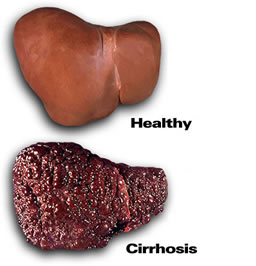
To regulate high cholesterol levels, we need to regulate liver function, which will also improve the dysfunction of the fat metabolism. Therefore, we don’t need to fight high cholesterol with pills; rather, we should focus on ensuring that the liver functions properly and has the opportunity to regenerate naturally.
Generally speaking, we don’t take care of our liver at all, or we only start paying attention to it when we feel a twinge under our right rib cage. But let’s be honest: how many of us have treated this vital “factory” to a “company-wide vacation” at least once a year and undergone some kind of regenerative treatment? The liver is an organ capable of incredible regeneration and is the only organ in the body that can actually regrow itself. That’s why even a short break we give our liver can lead to incredible changes within it.
We simply regenerate the liver by supplying the body with substances that it would otherwise have to constantly produce on its own.
One of the best liver regenerators is a tincture made from juniper berry buds. This tincture can regenerate even a severely damaged liver. It is usually combined with a tincture made from the mature herb milk thistle and an herb known as Leuzea—maral root. You’ll find all these tinctures in our natural herb shop. For those who want to thoroughly cleanse their liver along with the herbal tinctures, I recommend birch bud tincture even before juniper. These tinctures are best complemented by a wonderful herb called speedwell, which we serve as an herbal tea. One of the most effective remedies for high cholesterol is rare krill oil. It’s also excellent for high triglycerides. After using these natural remedies, liver function will improve significantly, and the vast majority of people will no longer need to rely on cholesterol-lowering medications, which do not particularly help the liver and, like almost every allopathic drug, only put a strain on it. For many people, a simple tea made from speedwell alone will help. It’s worth trying—we’re all different.
 I’ll also mention other remedies here to support and regenerate the liver and lower bad cholesterol, since what works best may vary from person to person. Another very effective remedy is eleutherococcus tincture—also known as devil’s root—and among oils, evening primrose oil is excellent, as is evening primrose tincture. I mustn’t forget genuine Korean red ginseng, which is excellent for high cholesterol. Are you interested in ginseng, its effects, and people’s experiences with it? Read our article “Korean Red Ginseng—The Root of Life and Its Beneficial Effects.”
It’s a good idea to repeat the regimen mentioned above at least twice a year—that is, in the fall and in the spring. Many of you may still be wondering why I keep mentioning tinctures when a herb is just a herb.
That’s not true. The same herb, when prepared and used differently, may not possess all the medicinal properties I’m talking about. Based on our experience, as well as that of many herbalists, various herbal tinctures and elixirs have always been, are, and will continue to be the most effective, because their method of preparation ensures maximum extraction of active compounds into the preparation. Steeping herbs in alcohol has been practiced for hundreds of years, and to date, nothing more effective has been invented that can extract active medicinal compounds from herbs.
These few wonders of natural medicine that I have mentioned can help many of us regulate fat metabolism, regenerate the liver and gallbladder, and thereby eliminate one of the causes of cardiovascular disease. Therefore, we shouldn’t view cholesterol merely as our “killer,” but also as an important substance that is essential to our existence—as long as it is regulated by our bodies in the right amounts.
And we can influence that proper balance through many natural herbal remedies.
There is one more aspect we should mention in connection with cholesterol, and that is healthy blood vessels. But how to keep them healthy even when cholesterol levels are higher than usual—we’ll discuss that in the next installment of this article.
Ing. Pavol Machnič https://www.zdravysvet.sk/