SK
 CZ
People often come to our herb shops with a “big-box store” mindset, comparing only the price and not the product. For many, it’s just pumpkin seed oil, and they see one that’s 50 cents cheaper right next to it. That’s exactly why we were inspired to write this article—to clear up this misunderstanding.
When we walk into a wine shop, we know full well that not all wines are created equal. We’ll find wines ranging from €1 to wines costing tens or even hundreds of euros, and that’s not just a matter of the wine’s age. Some wines simply cannot be grown in certain regions at all, even if they’re the same grape variety. For example, you can’t grow the unique Tokaj wines in Považská Bystrica, even if you had a “golden vineyard” there. This is because certain regions are unique in terms of their biotope, soil composition, and other factors.
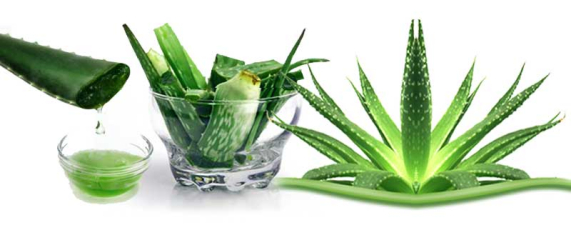
This applies not only to wine but also to pumpkin seed oil and many other commodities. After all, there’s a difference between finding wild aloe vera on a limestone rock weathered by wind, rain, and time. To survive, it must battle all the elements and reaches its full potential only where the “soil” is just right for its growth.
Oyster mushrooms have a different potency when they grow on old wood than on coffee grounds, which is often done these days.
But let’s turn to Styrian pumpkin seed oil. Since 1996, the origin of Styrian pumpkin seed oil has been protected by the European Union.
Why?
Not only because it’s unique and has a fantastic flavor. The success of this “green gold” from southern Styria lies in its inimitable aroma and delicate nutty flavor. What makes it a gem among pumpkin seed oils is, above all, the volcanic soil of Styria, as well as the alternation of hot days and cool nights.
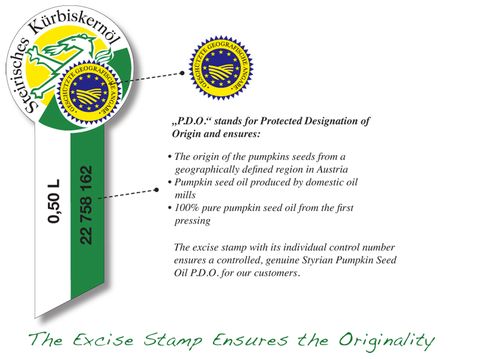
Styrian pumpkin seed oil is unrivaled among pumpkin seed oils, which is why every genuine Styrian pumpkin seed oil has its own certificate of origin and bears a seal of authenticity.
Although the history of Styrian pumpkin seed oil dates back to the 18th century, it was only about 100 years ago that farmers in southern Styria began cultivating shelled pumpkin seeds, thus launching the production of this unique oil, which can be produced only in Styria and nowhere else in the world. Likewise, pumpkin seeds from Styria won’t bother you with their shells, because they have almost none. Their shells are so thin that you can easily eat the whole pumpkin seeds without making a mess around you at the movie theater.
The oil, with its dark brown-green color that turns red when held up to the light, is also a renowned delicacy. This pumpkin seed oil is very thick, has a delicious aroma of roasted nuts, and when you compare it to common, cheaper pumpkin seed oils, you’ll immediately notice the difference in taste and consistency. It takes about 2.5 kg of pumpkin seeds to produce 1 liter of oil, and to obtain those seeds, you need to harvest about 30 oil-bearing pumpkins.
Producing this oil is not easy and requires special machinery. The carefully cleaned pumpkin seeds are first ground and mixed into a dough-like mass. The mixture is then roasted, and it is this roasting process that creates the characteristic aroma. Later, this mass is pressed to produce pure virgin pumpkin seed oil, free of added chemicals and preservatives.
What is absolutely characteristic of Styrian oils is that they are not produced all at once after the harvest, but are made in small batches throughout the year on a made-to-order basis, so you always receive it fresh.

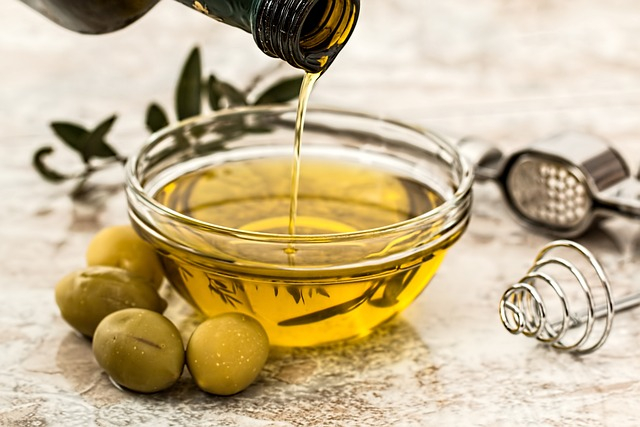
Photo by armennano from Pixabay
This Styrian oil miracle is always from the first pressing. There is just as much variety among pumpkin seed oils as there is among olive oils, which come in a wide range of flavors—from delicious to almost unpalatable—and qualities, from virgin first-press oil to refined oils whose quality cannot even be compared to that of virgin oil.
Many of us familiar with traditional Chinese medicine know that fresh leafy vegetable salads are best dressed with oils, because “cold” Yin leaves are harmonized by “oils derived from ‘warm’ Yang seeds.” Everyone in the south knows this, which is why you’ll find salads dressed with oils when you’re on vacation there. This stems from a tradition rooted in the consumption of a harmonious diet. It’s good that this tradition is slowly making its way to us as well.
However, if you drizzle your salad with Styrian pumpkin seed oil instead of olive oil for a change, your body will be enriched with a wealth of valuable nutrients that the pumpkin has drawn from the Styrian volcanic soil.
What makes Styrian oil so exceptional? Its overall beneficial effects on our bodies.
Styrian pumpkin seed oil contains unsaturated fatty acids, selenium, zinc, and other trace elements, minerals, and vitamins—especially vitamin E—so it’s no wonder it acts as a beneficial elixir for us.
It is naturally cholesterol-free
Styrian pumpkin seed oil is recommended for problems with the heart and cardiovascular system, high cholesterol, skin, hair, nails, the prostate, or the bladder.
Until recently, pumpkin seed oil was known as a “men’s” oil, used to treat prostate conditions or painful urination.
Today we know that it is also a “women’s” oil thanks to the substances it contains, which are important for the health and beauty of the female body. It is recommended for stressed and damaged hair, damaged nails, and skin beauty.
This top-quality Styrian pumpkin seed oil is primarily intended for cold use, but it can also withstand brief, gentle heating—up to a maximum of 120 degrees.

It is absolutely indispensable in salads, but you can also use it on smoked fish, meat, cheeses, risotto, and potatoes. Let’s not forget that you can drizzle it over creamy soups—not just pumpkin soups. Scrambled eggs with pumpkin seed oil are also worth trying.
A Styrian specialty is pesto made from pumpkin seeds and pumpkin seed oil. We recommend giving it a try. We wish you a wonderful gourmet experience. In our herb shops and on our online store, you’ll find excellent Styrian pumpkin seed oil from the family-owned company Schalk Muhle KG.
We believe that only after you taste Styrian pumpkin seed oil and pumpkin seeds—which are roasted with various delicious flavors—will you truly understand what the “Genuine Styrian Pumpkin Seed Oil” label means and what pumpkin seeds are all about.
Main photo from Steve Buissinne from Pixabay
Pavol Machnič, M.Eng., editorial staff at www.zdravysvet.sk