SK
 CZ
They have the ability to influence the body’s functions and affect our psyche and emotions. These substances, also known as essential oils, trigger various biological activities in living organisms. Thus, with carefully selected essential oils, we can achieve relief from a range of physical and mental health issues. Essential oils can not only strengthen our immune system but also serve as a preventive measure, helping to ward off various health problems.
There is already a relatively wide selection of essential oils available on our market. Be careful, however—not all of them live up to their general claims regarding purity and, above all, quality; consequently, some are suitable only for aroma lamps, and I cannot recommend them for massages, in creams, or in the bath.
As for essential oils for aroma lamps, there’s no problem there. We choose these oils mainly based on which scent we find pleasant, so we can relax comfortably while using them. Of course, it’s possible to choose an essential oil for targeted aromatherapy based on the effects of individual oils. Most of us, however, still go with what our nose tells us, and that’s the right approach.
Most people use essential oils only in aroma lamps, but their uses are much, much broader. However, if we decide to use essential oils in creams, baths, or for massages, it’s important to use trusted brands from well-known manufacturers. This way, we can avoid unnecessary allergic reactions. From our experience, I can recommend essential oils from the Czech manufacturer Nobilis Tilia, with which we’ve had good results.
Since essential oils are concentrated substances, each bottle contains active ingredients derived from several hundred kilograms of plants. With each use, it is necessary to carefully dilute each essential oil in a carrier vegetable oil (grape seed, olive, sunflower, almond, jojoba, etc.), a neutral hydrophilic oil also from Nobilis Tilia, in fat or alcohol, or alternatively in wine vinegar, honey, or whole milk.
Main methods of using essential oils:
Massage
massaging the affected area or part of the body with a mixture of essential oil in a carrier oil
Dilution for massage
0.5%—for children under 6 years of age, this corresponds to 7 drops in 50 ml of carrier oil
1.5%—for children ages 6 to 12, this corresponds to 22 drops in 50 ml of carrier oil
2.5–3%—for ages 12 and older, this corresponds to 37 drops in 50 ml of carrier oil
Hot and Cold Compresses
Mix 5 drops of essential oil with a tablespoon of neutral bath oil or hydrophilic oil, pour into an appropriate amount of warm or cold water, soak the compress in it, and apply to the affected area
Bath
Mix 3–10 drops of essential oil with a tablespoon of neutral bath oil or hydrophilic oil and add to the bath. The bath should last 15–30 minutes. Alternatively, apply 2 drops of essential oil to a damp sponge and rub it over the entire body or the affected areas.
Local Cleansing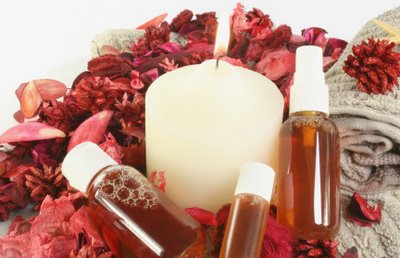
Add 2–5 drops of essential oil to a bowl of warm water, soak a sponge in it, and rub the affected area.
Gargling
Add 1–3 drops of essential oil to a bowl of warm water, stir, and gargle with the mixture, but do not swallow it.
Inhalation
Add 1–2 drops of essential oil to a bowl of warm water, stir, drape a towel over your head, and inhale for 5 minutes. Or add 1–2 drops to a handkerchief and inhale directly.
Diffusion
Add 5 drops of essential oil to 250 ml of warm water, stir, pour into a spray bottle, and spray around the room. Add 5 drops of essential oil to a humidifier or a bowl of warm water placed on a radiator, or 5–8 drops to an aroma lamp. Less well-known, but all the more effective, is the so-called diffuser, an electric device for dispersing essential oils into the air.
Internal Use
We do not recommend using essential oils internally
Compiled by Zdravý svet using materials from Nobilis Tilia