SK
 CZ

The lungs must adjust to the crisp, cold air, the first frosts, and increased humidity. That is why late fall is often a time of colds, flu outbreaks, and breathing difficulties. Prevention is key. Impaired lung function is quite difficult to diagnose. We often overlook the initial symptoms, and by the time actual health problems arise, the situation is often quite serious.
Traditional Chinese medicine describes a number of physical and mental manifestations that indicate weakened lung function. On a physical level, this weakness manifests as breathing difficulties, especially between 3:00 and 5:00 a.m.
In addition, mild pain may occur in the cervical and thoracic spine. These symptoms are often a precursor to more serious problems later on. Disorders of the lymphatic system may also arise. The use of allopathic medications is ineffective in this case. The skin is closely related to the lungs. In traditional Chinese medicine, it is referred to as the “second set of lungs.” Many skin problems—psoriasis, eczema, rough or dry skin, red spots, etc.—are directly linked to lung diseases.
In Japan, the belief has long prevailed that the skin reflects the condition of the internal organs. No matter how we are feeling tired, it always shows on the skin. Western medicine also recognizes the relationship between weakened lungs and the skin. There are many documented cases where the administration of strong allopathic medications to suppress skin eczema led to the development of asthma.
Chinese medicine identifies body hair as a manifestation of an imbalance in the Metal element (this includes both excessive hair growth and hair loss). However, the hair is governed by the kidneys.
The nose is also a sensory organ of the Metal element. Traditional Chinese medicine has always associated it with the lungs in this way. Damage to the nose directly affects lung function, and conversely, weakness in the lungs results in an imbalance in the nasal mucosa. A dry throat and nose, cough, labored breathing, a hoarse voice, a runny nose, and sinus infections—all of these are manifestations of an imbalance in the Metal element. When the energy of the Metal element is not properly balanced, it is often accompanied by a disturbance in the sense of smell.
Let’s also mention a few physical symptoms that indicate a weakness in the lung meridian, as described by traditional Chinese medicine. These include, primarily, bruising, damp skin, excessive phlegm, and sweating—but also, conversely, a lack of sweat, dry, taut skin, anemia, loss of appetite, and pale skin, an ethereal appearance, and excessive thinness—all of which point to the condition of the lungs, as they, together with the water element, play an important role in regulating bodily fluids.
Even the voice reveals what kind of energy is flowing through the lung meridian. The saying “a voice like a bell” certainly did not arise by chance. Conversely, a weakness in this element manifests as a weak, angelic, or somewhat ethereal voice—sometimes even tremulous and tearful (without actual tears). This is closely related to the emotional manifestations of a weakened lung meridian.
Emotional symptoms of this imbalance include sadness, apathy, an inability to let go and forgive, a lack of inspiration, melancholy, and aloof, unapproachable behavior.
Based on these physical and psychological symptoms, we can assess the condition of our lungs. If we suspect a weakness in this meridian, we should carefully adjust our diet to restore balance. Foods that keep the Metal element in harmony are relatively easy to identify—they are usually white in color. (In traditional Chinese medicine, the Metal element is associated with the color white.) Let’s eat more rice, onions, white radishes, radishes, garlic, parsley, and celery. Carrots, shiitake mushrooms, pears, tangerines, grapes, olives, and chestnuts also support the lungs.
When there is too much dampness, ginger, garlic, and black pepper help reduce excessive mucus production. If we need to add a little dampness, let’s add a bit of ginseng to our food and teas.
If, for whatever reason, we’ve neglected prevention and respiratory problems have arisen anyway, we don’t have to immediately ask for a prescription for antibiotics. Nature provides us with a whole range of herbs and fruits that gently restore our health.
From our natural herbal medicine cabinet for treating respiratory illnesses, we can certainly recommend the increasingly well-known gemmotherapy—that is, herbal tinctures and plant bud tinctures. We’ll use teas only as a supportive treatment. A very effective and proven combination of tinctures is: Stop Kok PG 61 (this tincture contains extracts of black poplar, white willow, Siberian ginseng, velvetleaf, greater nasturtium, and beta-glucan) and Respiro T52. Another excellent blend for lung support is the rose-fir-hornbeam P42 blend.
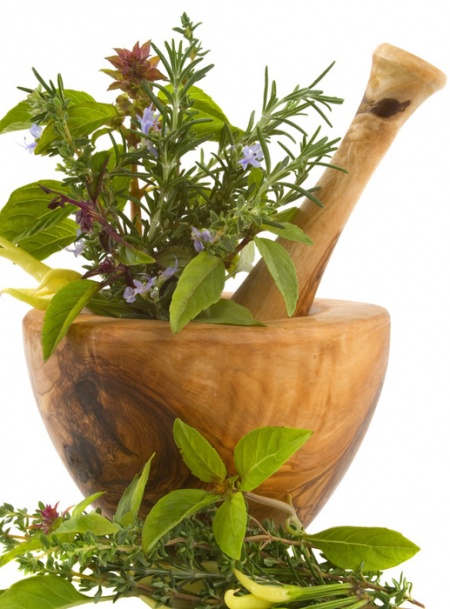
For lung problems, St. Hildegard recommends Wacholder—an elixir made from juniper berries—or, alternatively, Pfirsichblatter—an elixir made from peach leaves.
Instead of synthetic vitamin C, provide your body with sufficient vitamin C from nature’s gifts during this season. Sea buckthorn and acerola, in particular, and their juices are powerhouse sources of vitamin C.
To replenish minerals, we recommend so-called “sea minerals.” These are powdered KELP seaweed (Latin: Macrocystis pyrifera), which has been used as an important food source for over 2,000 years. They contain up to 70 different minerals and trace elements, enzymes, growth hormones, vitamins, and proteins—more minerals and proteins than any other food.
November offers our last chance before winter to gently cleanse the body. Only a body that is “clean” on the inside can withstand the many infections common during this season. For gentle detoxification and to address an overly acidic body, we recommend Perfect Food RAW Organic Alkalizer & Detoxifier; or to support the immune system with a focus on delivering the maximum amount of high-quality nutrients, try Perfect Food Raw Organic 240g Powder, which harnesses the power of 34 nutrient-rich ingredients, from vegetable juices and sprouts that provide the energy needed for the whole day.
Vegetable salad lovers, don’t forget that during this cold season, it’s important to dress your salads with oils. Oils possess a warm “Yang” energy and thus wonderfully balance the cold “Yin” leafy greens. We especially recommend Styrian pumpkin seed oil, an exceptional source of zinc and selenium. Zinc isn’t just good for the beauty of your skin, hair, and nails—it’s also an important element for your immune system. Selenium is key to preventing fall and winter depression.
We hope these few tips will help you stay healthy through the chilly November weather.
Vladimír Jakubec and Ing. Pavol Machnič www.zdravysvet.sk