SK
 CZ
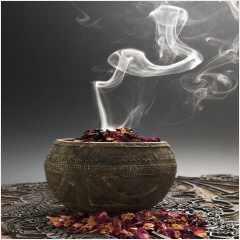
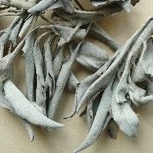
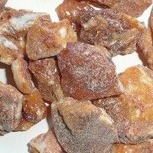
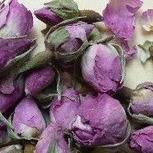
Various resins, aromatic herbs, and precious woods are used for smudging. They are used to purify spaces, promote calm, relieve stress and anxiety, provide encouragement, aid in meditation, support healing, foster creativity, and more.
Since then, smudging has been passed down through the hands of thousands of generations, each of which has contributed tiny fragments of new knowledge and experience to the collective wisdom, right up to the present day, when the culture of smudging is known to most people across our entire planet. This has been the case throughout history; there has perhaps been no significant culture that has not actively used smoking. Nothing else—perhaps with the exception of sounds and musical instruments—has such a long tradition or such profound significance for human life from its very beginnings as incense and its fragrances; nothing is so strongly linked to our emotions, our memory, and our shared history.
If we take a closer look at incense burning, it involves plant-based, animal-based, and—in exceptional cases—mineral substances that contain aromatic or active components, energetic vibrations, and information that are released when exposed to a heat source. Simply put, to release these properties, we must heat the aromatic substance. In the past, people used hot coals from a fire, heated stones, stove burners, certain types of dried mushrooms as large as a frying pan, and so on.
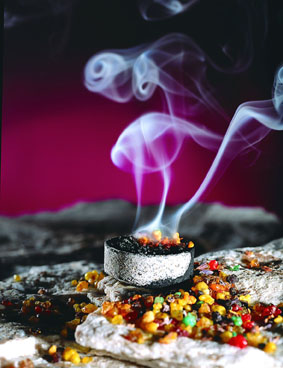
Today, the most common method is burning special quick-lighting charcoal, which does not require a long time to ignite, catches fire quickly, and is easy to handle. After lighting these coals, we place them in special containers—incense burners—and sprinkle a small amount of the fragrant substance directly onto the hot coals. The burning process itself—that is, the time during which smoke is emitted from the incense burner—is usually quick; however, we must realize that the active component of the entire method is the smoke itself, which contains all the active substances. The amount of incense placed on the charcoal also determines the intensity of the fragrant smoke and the expected effects.

Fragrances can be divided into several categories in various ways. Most often, this is based on their effect—we are interested in how a particular incense works: whether it can calm us, boost our energy, relieve stress and anxiety, cleanse us or our homes of negative energies, induce sleep, stimulate romantic desire, heal our bodies, and so on.
We can also classify them based on whether we use them for magical, ritual, sacrificial, shamanic, or secular purposes. Based on their place of origin around the world, there are several very significant regions from which we can obtain incense, whether it be North America, India, the Himalayan region, China, Japan, Siberia, and, last but not least, the Arab world.
Unfortunately, in our culture, we have somewhat forgotten about incense burning; we have set it aside, and it has been supplanted by modern science, medicine, and pharmacy. However, this does not diminish its significance or importance; on the contrary, it offers us a fascinating opportunity to rediscover forgotten traditions and ancient rituals, to explore new scents and their possibilities, and to return to nature and its spirituality—and to our own spirituality. To things that have true meaning—meaning that is long-lasting and spans generations.
Aromatic herbs and resins in our online store.