SK
 CZ

What Challenges Does a Pregnant Woman Face?
During pregnancy, a woman’s body undergoes a complete transformation. The mother’s metabolism not only meets her own needs but also supplies all the necessary nutrients to the growing fetus. This dual burden requires an increased intake of essential nutrients.
Increased Nutritional Needs During Pregnancy
- Iron requirements increase by up to 50%
- Increased calcium intake by approximately 300 mg per day
- Increased folic acid requirement in the first trimester
- Increased requirements for other vitamins and minerals by 10–20%
- Support for the immune system during pregnancy
- Prevention of pregnancy complications, such as high blood pressure
Common pregnancy issues that supplements can help address
Many women experience unpleasant symptoms during pregnancy. Appropriate dietary supplements can significantly alleviate these problems:
- Chronic fatigue and exhaustion
- Iron-deficiency anemia
- Hormonal imbalance
- Weakened immunity and susceptibility to illness
- Digestive problems and constipation
- Low levels of calcium and magnesium
- Omega-3 fatty acid deficiency
Essential Supplements During Pregnancy
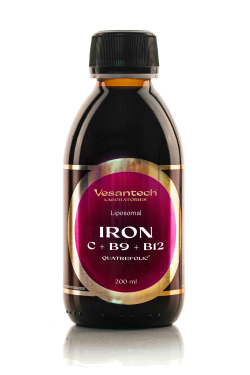
1. Liposomal natural iron with vitamins B9 and B12
Iron is one of the most important minerals during pregnancy. During pregnancy, the body’s need for iron increases by up to 50% because it produces more blood to nourish the fetus and placenta.
Why liposomal iron?
Conventional iron supplements have a significant problem—low absorption in the digestive tract. Much of the iron is simply not absorbed by the body. Liposomal iron, however, is encapsulated in special liposomes that ensure:
- The iron passes through stomach acids intact
- It reaches exactly where it needs to be absorbed
- Absorption increases by up to 600% compared to conventional forms
- Minimal side effects on the digestive tract
The Role of Vitamins B9 and B12
When combined with iron, folic acid (vitamin B9) and vitamin B12 form a truly powerful trio:
- Folic acid significantly reduces the risk of neural tube defects
- It supports the proper development of a child’s brain and spinal cord
- Vitamin B12 ensures proper red blood cell production
- It works together with folic acid to prevent anemia
- Both vitamins are essential for the baby’s DNA synthesis
- They lower homocysteine levels, which are associated with high blood pressure during pregnancy
Recommended dosage:
Pregnant women: 5 ml (one teaspoon) once daily
Breastfeeding women: 5 ml once daily
Add the recommended amount to water, juice, or tea. The combination of liposomal iron and B vitamins ensures healthy hemoglobin levels and a strong immune system throughout pregnancy.
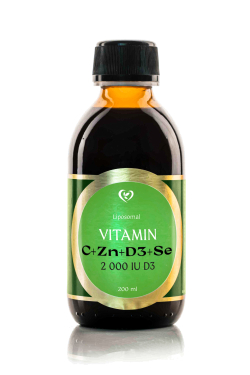
2. Liposomal Vitamin C + Zinc + D3 + Selenium
While the first supplement focuses on energy and development, this combination of vitamin C with zinc, D3, and selenium acts as your shield against illness. During pregnancy, a woman cannot afford to get sick—infections pose a risk to both the mother and the fetus.
Vitamin C: Immune Booster and Collagen Builder
- Strengthens both innate and adaptive immunity
- Supports proper collagen production in the placenta
- Improves iron absorption from food and supplements
- Reduces oxidative stress in the body
- Reduces the risk of premature rupture of the amniotic sac
- Supports healing, which is important during the postpartum period
Zinc: the foundation of a healthy immune system
- Contributes to the normal function of the immune system
- Plays a role in cell growth and division
- Important for the proper development of a child’s brain
- Improves skin and tissue healing
- Reduces the risk of infectious diseases during pregnancy
Vitamin D3: The Builder of Strong Bones
In recent years, it has been shown that vitamin D3 deficiency is associated with many pregnancy complications:
- Ensures proper absorption of calcium and phosphorus
- Supports healthy bone and tooth development in the fetus
- Helps build the baby’s immune system
- Reduces the risk of gestational diabetes
- It reduces the risk of high blood pressure during pregnancy
- Maintains the infant’s health later in life
Selenium: an antioxidant that protects cells
- Acts as a powerful antioxidant
- Protects cells from oxidative stress
- Important for proper thyroid function in the mother
- Supports fertility and reproductive health
- Helps protect fetal DNA
Recommended dosage:
Pregnant women: 5 ml once daily (mixed into 1 dcl of, for example, juice)
Breastfeeding women: 5 ml once daily (mixed into 1 dcl of, for example, juice)
Mix the dose into 1 deciliter of orange juice, tea, or water. The liposomal form ensures up to 90% bioavailability, which is the highest available on the market.
3. Omega-3 Fish Oil: A Baby’s Brain Needs Care
A large body of scientific literature confirms that omega-3 fatty acids are absolutely essential during pregnancy. The mother cannot produce these essential fatty acids on her own—she must obtain them from food or supplements.
DHA and EPA: Double the Power for the Brain
Fish oil rich in DHA (docosahexaenoic acid) and EPA (eicosapentaenoic acid):
- DHA is the primary building block of the fetal brain
- Supports the proper development of vision and the central nervous system
- EPA helps regulate inflammation in the body
- Reduces the risk of preterm birth
- Supports healthy blood pressure during pregnancy
- Contributes to better postpartum mental health in mothers
Recommended dosage:
Pregnant women: 4 ml once daily before a meal
Breastfeeding women: 4 ml once daily before a meal
High-quality fish oil with a mild orange flavor ensures a pleasant experience without the typical fishy aftertaste, which is especially welcome during pregnancy when the sense of smell is often heightened.

Omega-3 Fish Oil – High in EPA and DHA for a healthy heart, brain, and eyes.
4. Magnesium 2-in-1: Relaxation for Mind and Body
Magnesium is a mineral that is often underestimated during pregnancy, even though it plays a crucial role. A pregnant woman needs as much as 310–350 mg of magnesium daily, and a deficiency is very common.
Two top-quality forms of magnesium
Magnesium bisglycinate:
- Maximum absorption and gentle on the stomach
- Reduces fatigue and mental exhaustion
- Supports muscle function and reduces cramps
- Ideal for physical recovery
Magnesium L-threonate:
- The only form of magnesium that crosses the blood-brain barrier
- Penetrates the brain and supports memory
- Improves learning and cognitive function
- Increases synaptic density in a child’s brain
Synergistic combination with vitamin B6
- Enhances magnesium absorption
- Regulates homocysteine levels
- Supports hormonal balance during pregnancy
- Reduces nausea and motion sickness
- Strengthens the immune system
Dosage and Usage Schedule
Day: 1 white capsule (Mg bisglycinate) with a meal, ideally with breakfast
Evening: 1 blue capsule (Mg L-threonate) before bedtime
Number of doses per package: 60 (60 days of continuous use)

Vesantech MG2 (Bisglycinate & L-Threonate Magtein®) – Double the power of magnesium...
5. Probiotics: A Healthy Gut Microbiome = A Healthy Baby
The mother’s gut microbiota has a direct impact on the baby’s health. Probiotics during pregnancy aren’t just for the mother’s comfort—they directly influence the newborn’s immunity and health.
Why probiotics with low histamine activity?
Not all probiotics are safe during pregnancy! Many common probiotics contain strains that increase histamine levels in the body, which is undesirable during pregnancy. The right probiotics are specially formulated:
- 19 live probiotic strains selected so as not to increase histamine
- 17 enzymes for optimal digestion and nutrient absorption
- Prebiotics to support the growth of healthy gut flora
- 50 billion CFU (colony-forming units) per dose
Benefits for Mother and Baby
- Improves the absorption of iron, calcium, and folic acid
- Supports proper digestion during pregnancy
- Reduce inflammation in the intestines
- Strengthen the mother’s immune system
- Alleviate digestive problems and constipation
- They are passed on to the baby during childbirth—creating a healthy foundation for the newborn’s immune system
- Increase the amount of antioxidants in breast milk
Safe dosage:
Adults (pregnant women): 2 capsules daily—one with lunch, one with dinner
Number of doses: 30
The capsules are coated with an enteric-coated shell that protects the bacteria from stomach acids.

Special super probiotics for histamine intolerance.
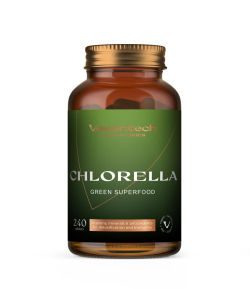
6. Organic Chlorella: A Natural Super Detoxifier
Chlorella is a freshwater single-celled algae often described as a “superfood.” During pregnancy, it plays a very specific and immensely valuable role—natural detoxification without risk.
How Chlorella Detoxification Works
Detoxification is a sensitive issue during pregnancy—radical detox regimens can harm the fetus. Chlorella, however, works differently:
- Its high chlorophyll content naturally binds toxins
- It binds heavy metals without negatively affecting the fetus
- It supports the liver’s natural detoxification processes
- It raises the body’s pH (alkalization)
- Acts as a natural antioxidant
Chlorella’s Nutritional Profile
Chlorella contains everything a pregnant woman needs:
- Vitamin A to support vision and skin health
- Vitamins B1, B2, and B6 for energy metabolism
- Magnesium (important for muscles and nerves)
- Calcium (a building block of bones)
- Bioavailable iron
- Proteins and amino acids
- Chlorophyll (helps combat anemia)
- CGF growth factor (unique to chlorella)
Safe Dosage:
Adults (including pregnant women): 2–4 tablets twice daily
Tablets should be taken with water or natural juice
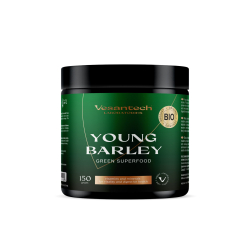
7. Organic Young Green Barley: Energy and Hormonal Balance
Organic green young barley is another natural treasure that has much to offer pregnant women. Essentially, it is a complete vitamin complex from nature.
Why young barley, specifically?
- It contains up to 70 enzymes necessary for metabolism
- Rich in chlorophyll (more than anything else)
- A powerful antioxidant that neutralizes free radicals
- Supports detoxification without drastic effects
- Boosts energy and gently balances hormones
Detoxifying and energizing properties
- Reduces morning sickness
- Boosts energy without causing jitters (safe to use starting in the first trimester)
- Improves digestion and supports gut flora
- Helps reduce irritability and insomnia
- Regulates blood sugar levels
- Supports normal blood pressure
Proper dosage and administration:
Adults (including pregnant women): 5 g (1 tablespoon) 1–2 times daily
Form: Young barley juice powder
Administration: Mix into a glass of water or another cold beverage
Number of doses per package: 30 full doses
Complete Daily Supplement Schedule During Pregnancy
Once you have all your supplements on hand, it’s important to take them at the right time and with the right food to maximize absorption.
Example of an ideal day (starting in the 2nd trimester)
Morning (6:00–7:00)
• 1–2 tablespoons of young green barley dissolved in water or in a smoothie
• 1 white magnesium capsule with breakfast
• Wait 30 minutes before your next meal
Before lunch (11:00–12:00)
• 1 teaspoon of liposomal iron in water or juice
• 1 teaspoon of liposomal vitamin C + zinc + D3 in water or orange juice
Lunch (12:30–1:00 p.m.)
• 1 probiotic capsule with a meal
• Natural foods rich in calcium and iron (meat, fish, vegetables)
Afternoon (3:00–4:00 p.m.)
• 1 teaspoon of Omega-3 fish oil with a meal or 30 minutes before a meal
Evening (6:00–7:00 p.m.)
• 1 probiotic capsule with dinner
Before bed (9:00 PM–10:00 PM)
• 1 blue capsule of magnesium L-threonate
• 2–4 chlorella tablets with a small amount of water
Synergistic interactions of all supplements
All of these supplements are selected to work synergistically—not to compete with one another:
- Iron + Vitamin C: Vitamin C enhances iron absorption
- Calcium + Vitamin D3: Vitamin D3 improves calcium absorption
- Omega-3 + magnesium: Both reduce inflammation and support the nervous system
- Probiotics + chlorella: Both support gut flora
- All together: Comprehensive support for brain development, bone health, and immunity

Safety and quality: key factors when choosing supplements
When choosing any supplements during pregnancy, it’s important to know:
Certification and Regulation
All supplements mentioned in this article meet high standards:
- Approved by the Public Health Authority of the Slovak Republic as dietary supplements
- HACCP certification (food safety system)
- ISO 9001 and ISO 22000 (quality management systems)
- GMP certification (Good Manufacturing Practices)
- GMO-free (genetically unmodified)
- Free of artificial colors and preservatives
- Scientific verification of liposomes at AgroBioTech, SPU Nitra
Storage and Shelf Life
Liposomal products (iron, vitamin C, magnesium) have a shorter shelf life compared to conventional tablets—this is due to their higher bioavailability:
- Liposomal products: 9–12 months from the date of manufacture
- Store in the refrigerator for up to 30 days after opening
- Don’t buy large quantities—the fresher they are, the better
- Product expiration: 12 months from the date of manufacture
What to Avoid During Pregnancy
While it’s important to know what to take, it’s just as important to know what to avoid:
- Excessive amounts of vitamin A (retinol)—can cause birth defects
- Vitamin E in excessively high doses
- Drastic detoxification regimens—may harm the fetus
- Extracts from certain herbs, such as wormwood or Chinese angelica
- High doses of magnesium before the 7th week of pregnancy without medical supervision
- Unsupervised use of any supplements—always consult your gynecologist
An Investment in the Future
Pregnancy is a critical period that shapes a child’s health for life. The right vitamins and minerals are not a luxury—they are the essential building blocks for healthy brain development, bone growth, immunity, and emotional well-being.
The combination of these supplements represents a natural and scientifically grounded approach to maintaining the mother’s health and supporting the healthy development of the fetus. They help ensure that pregnancy is not a time of fear and uncertainty, but a time of vitality, strength, and joy as your baby grows.
Remember: a healthy and strong mom = a healthy and happy baby!
Illustrations used: Freepik
Martin Kolčák, editorial team at zdravysvet.sk