SK
 CZ

What Is the Thyroid Gland?
The thyroid gland, known in Latin as the glandula thyroidea, is a small organ shaped like a butterfly. It is located at the base of the neck. Specifically, you can find it in front of the trachea. It is an endocrine gland; to put it simply, the hormones produced by this organ are released into all the body’s tissues and into the bloodstream. The thyroid gland consists of two lobes that resemble butterfly wings, which is why it is often compared to a butterfly. This organ weighs between 30 and 40 grams.
The thyroid gland’s role is to regulate our metabolism through the two hormones it produces. The first hormone is thyroxine, often known as T4. The second hormone is triiodothyronine, known as T3.
What function does it serve in the body?
Although the thyroid gland is a small organ, it performs major and very essential functions. It is important not only forthe proper functioning of the entire body but also for supporting a wide range of bodily processes. These include, for example, proper energy utilization, the perception of heat and cold, proper cell division and growth, and, last but not least, the proper functioning of the brain, heart, and other organs of the human body.
Did you know that the thyroid gland works very closely with the immune system? If your thyroid is underactive or you suffer from a thyroid disorder, you may experience frequent colds and other lifestyle-related illnesses.
The Thyroid Gland and Pregnancy
Proper thyroid function also plays a major role when planning a pregnancy. If you’re trying to conceive and aren’t having success, it’s definitely a good idea to have this hormone-producinggland checked . Thyroid dysfunction can even cause miscarriages and gestational diabetes. In some cases, it can also lead to premature birth. Furthermore, this gland plays a significant role in fetal growth and development, so its proper function can eliminate the risk of neurological damage to the child’s brain.

Thyroid Problems
Pay attention to changes in your body and take care of your mental and physical health. If you have thyroid problems, you may notice that your thyroid has enlarged; in some cases, a goiter may form on your neck. It may also be a painful lump that you can feel. In that case, see your doctor as soon as possible.
When to Be Alert:
- You’re having trouble sleeping
- You experience unexplained muscle weakness
- You’re constantly tired
- You can’t gain weight even though you’re eating enough
- You can’t lose weight even with a healthy diet
- Is your memory getting worse?
- Do you feel chronic stress?
- You suffer from severe heart palpitations
- You feel restless and unmotivated
- You sweat excessively
- Your hair is thinning very quickly
Thyroidproblems can cause unpleasant symptoms such as fatigue, sensitivity to cold, sleep disturbances, or weight fluctuations. Swelling and a deterioration in mental well-being are also not uncommon. There’s even talk of personality changes and unexpected mood swings.
What to Watch Out For
Support proper thyroid function with a healthy diet. Focus on getting enough iodine, which directly affects the body’s energy metabolism. Iodine deficiency can lead to the aforementioned thyroid dysfunction. However, higher levels of iodine can also lead to health complications.
Try to eliminate root vegetables and soyfrom your diet, or at least limit themas much as possible . Instead of these foods, include seafood, fish, and especially seaweed—such as in the Mixofit supplement. These foods contain the necessary amount of iodine. Use iodized salt when seasoning your meals.
Symptoms of the Disease
Among the most common symptoms indicating thyroid problems are, for example, heart palpitations, whether in the form of a rapid or irregular heartbeat. Excessive sweating, insomnia, and recurring muscle weakness may also occur, without any apparent cause.
You may also be bothered by nervousness, eye problems, and, last but not least ,weight issues. Not only do your cravings change very quickly, but you also feel constantly hungry, even after eating. In some cases, you may gain weight even if you’re trying to follow a healthy, balanced diet; in other cases, you may experience rapid weight loss.
Overactive and Underactive Thyroid Glands
An overactive thyroid is called hyperthyroidism. An underactive thyroid is called hypothyroidism. Both of these conditions are among the most common disorders affecting proper thyroid function. You may be surprised to learn that these disorders are more common in women, while in men, problems usually don’t arise until later in life.
Hypothyroidism
In hypothyroidism , the thyroid glanddoes not produce enough of the necessary hormones; the gland is underactive, resulting in constant fatigue and a slowed metabolism.
Hyperthyroidism
In the opposite condition—an overactive thyroid— large amounts of hormonesare releasedinto the bloodstream . This condition, called hyperthyroidism, speeds up your metabolism and can lead to constant hunger and weight gain.
Thyroid Treatment
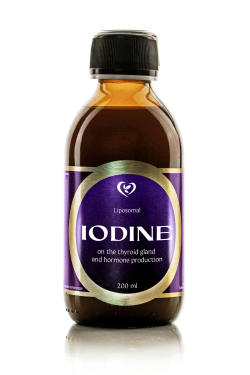
The first appropriate step is definitely to see a doctor and consult with them. Of course, you can also support your condition by changing your lifestyle. It’s a good idea to include fresh and healthy foods in your diet, add ocean fish for their iodine content, and use iodized salt. Be careful, however, with high doses of iodine. Too much iodine is also bad for our bodies. Therefore, we do not recommend dietary supplements that contain high levels of iodine. To ensure an optimal intake of iodine, liposomal iodine is the most suitable form.
It’s alsoimportant for your health to manage stress. To help manage stress, we recommend a unique liposomal product called the Anti-Stress Complex, which contains saffron stigmas and bioactive ashwagandha. Stress is a contributing factor to many diseases and, in this case, has a particularly significant impact on proper thyroid function. You should definitely avoid smoking, as it significantly worsens your condition.
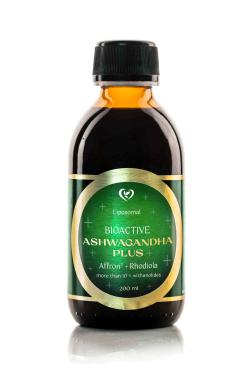
A unique formula for stress, anxiety, and sleep disturbances
Thyroid dysfunction is also treated with medication. In some cases, however, surgery and radioiodine therapy are necessary. If you want to avoid this definitive solution, try natural treatments. In addition to the aforementioned iodine therapy, you can also take advantage of the properties of bladderwrack.
Avoid these foods:
- Cauliflower
- Broccoli
- Soy
- Kale
- Mustard
- Radishes
You don’t have to cut them out entirely, but definitely don’t eat them every day. Instead, include theaforementioned seafood, seaweed, and dairy products. Also reach for pumpkin seeds and bananas.
Foods containing seleniumare also excellent, including Brazil nuts, fish, as well as beef and eggs. When it comes to vegetables, prioritize tomatoes, bell peppers, and cucumbers. For fruit, choose citrus fruits, mangoes, apricots, apples, or pineapple.
Finally, one more recommendation: drink Saga Dalyatea made from Rhododendron adamsiidaily, as it helps people with hypothyroidism manage energy fluctuations. It also has many other beneficial properties that can help with thyroid disorders.