SK
 CZ
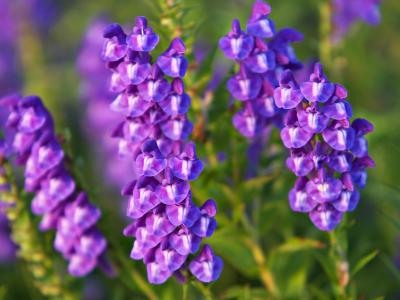
Baikal skullcap grows in the forest-steppes around Lake Baikal and throughout the Far East. It is one of the ancient medicinal plants. Within its native range, Baikal skullcap is considered one of the ancient medicinal plants. Its use in phytotherapy is attested as early as the Shen Nong’s Classic of Materia Medica, dating from the Han Dynasty (25–220 CE). It is also widely used in traditional Chinese medicine.
This herb has a very wide range of applications in phytotherapy, as Schisandra stimulates the immune system and has antiviral and antifungal properties, for example against the Candida strain. It is an effective adaptogen, helping the body cope more easily with the effects of stress. It has a beneficial effect on the heart and blood vessels. It possesses significant antioxidant properties. It calms the mind and promotes sleep.
Another herb is Astragalus membranaceus
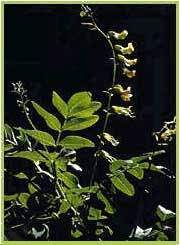
It is a herb from the “East” and has a long history of use in traditional Chinese medicine. The Chinese name huang gi means “yellow leader.” According to Chinese medicine, astragalus improves the flow of qi energy in the body.
Among its wide-ranging therapeutic effects, it is best known for its action on the immune system, which it strengthens, and for its antiviral effects.
It also helps keep the respiratory tract in optimal condition. It supports heart and kidney function and protects the liver.
It strengthens the body both mentally and physically and helps the body cope more easily with stress.
Holy basil, also known as Tulsi, is also used in gemmotherapy
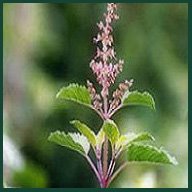
Its very name speaks to the extraordinary effects of this herb. In India, it is a sacred herb. “Tulsi” is a word from ancient Sanskrit meaning “incomparable.”
Legend has it that the goddess Lakshmi incarnated as this herb. Holy basil holds a traditional and wide-ranging role in traditional Ayurvedic medicine.
Tulsi effectively harmonizes the digestive system. It supports stomach function, promotes bile secretion, and reduces flatulence. It stimulates the immune system and has direct antibacterial effects. It calms and strengthens the nervous system.
It helps maintain normal blood pressure and blood sugar levels.
The new products are complemented by one of the most medicinal mushrooms, the Ganoderma lucidum, better known as Reishi.
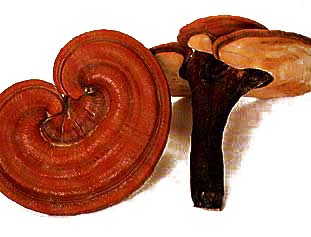
It has long held a prominent place in traditional Chinese medicine.
Reishi was once very rare because it occurred only sporadically. Today, it is cultivated industrially on plantations, which has enabled its spread throughout the world.
It is particularly valuable in the prevention of various lifestyle-related diseases.
Reishi strengthens the immune system and has direct antiviral, antibacterial, and antifungal effects.
It supports the cardiovascular system and helps maintain normal blood pressure, cholesterol levels, and blood sugar levels. It has a beneficial effect on respiration and helps the body detoxify.
The latest addition to our product line is the well-known Chinese wolfberry, also known as goji
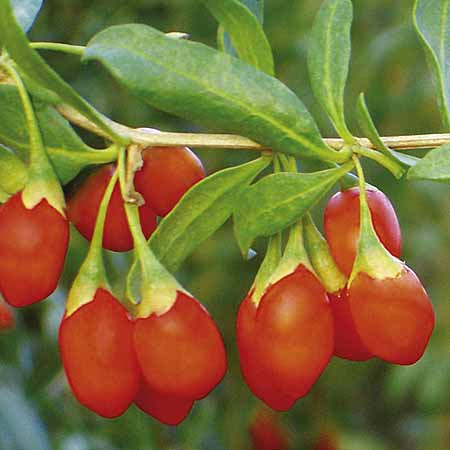
In the East, the berries of this plant are very well known and have been used for a long time. It is a plant associated with longevity.
Chinese wolfberry strengthens the immune system and boosts immunity. It protects the liver and kidneys and neutralizes heavy metals.
It is also highly significant for stimulating physical strength and supporting eyesight. It has powerful antioxidant effects and helps delay the signs of aging. It is an ideal supplement for middle-aged and older adults.
We hope that these traditional herbs and this mushroom from the “Far East” will help both prevent and treat the various ailments that afflict our bodies.
Yours, www.zdravysvet.sk