SK
 CZ
“What is essential is invisible to the eye. The eyes are blind; one must seek with the heart.”
ANTOINE DE SAINT-EXUPERY: THE LITTLE PRINCE
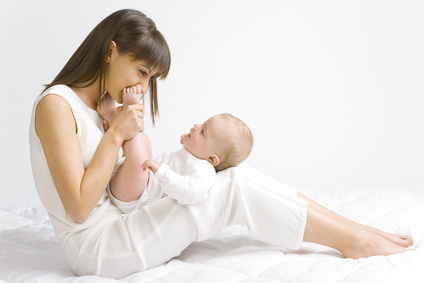
You surely know those feelings when you look at your child—whether tiny and sweetly sleeping or grown and full of ideals and plans. Your heart is then filled with a mother’s love, which is the foundation of every child’s soul.
Every loving mother is saddened when this smiling, innocent little being falls ill, even though she knows or senses that illnesses—including those in children—are an essential and meaningful part of the human developmental process that moves us forward.
But how can we prevent childhood illnesses? I think many mothers wonder what is the foundation of a healthy child’s soul?
The cornerstone of a healthy child is love and security. When children—whether young or old—do not receive a sufficient amount of parental love, they rebel, cry, scream, become unhappy, and are plagued by various illnesses.
On the other hand, when they feel loved, they develop harmoniously—they are free, spontaneous, and happy. Then illnesses stand no chance against that magical word—“love.” Of course, I don’t want to generalize, because some illnesses and degenerative conditions certainly don’t depend solely on your approach to your little ones.
Few of us realize that what’s essential for a child’s health begins right at the very start of their development—of course, while they’re still in their mother’s womb. Even then, the baby is exceptionally perceptive and is preparing for their first encounter with life. Many problems in adulthood have psychosomatic roots that trace back to the prenatal period of a child’s development.
How many of us truly realize that, through our behavior and actions, we serve as role models for our children? A parent’s love is the foundation of a child’s sense of self-worth. It teaches the child the ability to love not only themselves but also those around them. Every child longs for security and love, regardless of what they do. They need to feel firsthand what they mean to us adults—whether we are even prepared to lend them a helping hand and whether we are ready to guide them and show them the right path of development.
Of course, a child’s health is closely linked to a healthy diet, physical activity, and relaxation.
One of the most important components of a baby’s healthy development is breast milk, which is not only the best food but also a preventive remedy for children. All mothers who have experienced the bond with their baby while breastfeeding can confirm that there is nothing more beautiful than the connection between a mother and her child. They feel an immeasurable closeness, love, and bond with their little one—their own miraculous creation. This process provides a healthy “start” to life for every individual. Breast milk is the most valuable food at the beginning of a child’s development. Colostrum, which is produced immediately after birth and contains many substances whose exact effects are still unknown to science, also plays a key role in this process.
It contains a large amount of nutrients. It is a very effective treatment for childhood dermatitis. Most importantly, breast milk itself is essential for building a child’s immune system. So mothers who refuse to breastfeed don’t even realize what they’re depriving their children of.
After breast milk, it’s important to provide your baby with a balanced diet—that means using wholesome, healthy foods. Avoid the fast food that’s so popular these days. It always gives me the chills when I see a mom feeding her little one such unhealthy food at a shopping mall.
I’m not an advocate of only what’s “perfect.” Every now and then, a child can try something new that they haven’t had before. After all, if a mother has laid a healthy foundation for her child’s diet, the child’s body can tolerate even something unhealthy. Mothers who are breastfeeding should definitely include one hot meal a day in their diet and adapt their meal plan to the seasons. Don’t forget to maintain a regular fluid intake, where fresh water is the most important liquid for a child’s body; it can also be diluted with fruit juices. Mothers who are concerned about their child’s healthy development should use a natural sweetener—stevia—and avoid artificial sweeteners and refined beet sugar.
I can’t help but mention one more problem that moms face, and that is their children’s lack of appetite. Try not to force your children to eat—and certainly not when they’re sick. At such times, the body naturally seeks rest—fasting—it simply needs to rest. This needs to be respected in children as well. We adults also experience a loss of appetite when we’re sick, so why do we force our children to do something that is natural for all living creatures—to rest and allow their bodies to recover?
Loss of appetite in children often has its roots in the prenatal period. Some mothers, in their excessive zeal for healthy nutrition, go too far, resulting in a diet that’s too one-sided—even if it’s healthy. The baby inside you needs to experience all flavors, even if it isn’t receiving food through the mouth. Those more intuitive moms will happily eat a cucumber with plum jam and wonder why. The answer is clear: the fetus is asking for it. During this period, you should also be careful to avoid extremes in the amount of food you eat. Often, less is more. The most important things are variety and quality of food. The baby is a part of you; it lives within you and comes from you.
Another component of a healthy body is physical activity. I can say that it’s very important these days. Children growing up in big cities get very little exercise. Active children have an advantage over less active ones; they’re much better at overcoming the obstacles that constantly accompany them in life.
Treat your children to outings, walks, hiking, biking, exercise, gymnastics—whatever brings them joy. Children experience a very liberating feeling when they dance. It can even have a therapeutic effect, bringing joy, flexibility, coordination, mobility, freedom, and above all, joy and smiles to children’s faces. It also promotes relaxation, which is an important part of preventing childhood illnesses.
Try to maintain an afternoon nap for children, which was natural for them even in infancy. We don’t even realize what effect sleep in the afternoon has on us adults. Just like us, children need a period of calm during the day to reflect on questions related to our spiritual development. If they refuse to sleep, at least try to ensure they get some rest—flip through a book with them, listen to a story, play soothing meditative music, or do anything that might calm and relax your child. Sleep may then come spontaneously and unexpectedly.
So let’s help our children and be responsible for their development. It’s truly worth it to see our child healthy and happy.
Let’s not forget this beautiful quote from *The Little Prince*: “First we must give love; only then will we receive it. Love is unconditionally linked to responsibility.”
Mgr. Dagmar Machničová www.zdravysvet.sk – everything for your healthy life
Photo: © Tomasz Trojanowski - Fotolia.com