SK
 CZ

Migraine Symptoms
A migraine strikes out of nowhere. It’s so unpleasant that it comes at regular intervals, making us feel nauseous, irritable, and nervous. Sometimes the pain affects our entire head, sometimes just half of it, and other times it’s concentrated around the eyes, ears, or chin… The pain is so intense that we’re forced to lie down and shut out everything and everyone.
When we suffer from a migraine, we think we have to live with it, that there’s no way to finally get rid of it. But the opposite is true. We can avoid it altogether if we don’t let it develop in the first place.
Migraines are always preceded by symptoms that we often don’t notice. We should focus on our bodies, identify what triggers the migraine, and do everything we can to prevent an attack. They usually strike when we’re physically overworked, exposed to stress, when our body has lost its hormonal balance and inner harmony, when we don’t allow ourselves to rest, when we don’t eat warm meals, when we have digestive problems, and especially when we do nothing to counteract it. All of this drains our energy and increases our susceptibility to migraines.
But what can we do to eliminate migraines from our lives?
Let’s pay attention to the circumstances that precede the pain. It could be anything: a noisy environment, too much sun, weather that’s too hot or too cold, overwork, lack of sleep (conversely, too much sleep is a common migraine trigger), a lot of walking or standing, an upcoming period, constipation, back problems, swimming with your head above water...
When we’re exhausted, let’s rest. Now, not when it’s too late. Let’s enjoy the little things—every beautiful day, our little garden, pretty flowers...
Don’t overexert yourself; don’t do yoga or strenuous exercises when you’re tired or when you feel an attack coming on. Instead, exercise when you’re feeling well. Exercise helps relieve stress—even a short session, at least 20 minutes of walking or moving around, is enough. Stretch your back and neck muscles. Good exercises include turning your head, bending forward, and bending to the sides. Backbends are not recommended. Do specific exercises to strengthen the muscles supporting your spine.
Drink plenty of water, eat light meals, vegetable salads, and fresh fruit (note: avoid citrus fruits during an attack). Women who suffer from migraines should pay special attention to their diet. Don’t let too much time pass between meals, and don’t eat large amounts at once. Avoid alcohol, especially red wine, as it is a common migraine trigger. Avoid nuts and chocolate.
Make sure to have regular bowel movements. Dark stools are a sign of digestive problems, which can also trigger migraines. In this case, it’s recommended to do whatever it takes to cleanse your system; the headache will then subside immediately.
Treat yourself to a massage or a bath with a few drops of lavender oil or a relaxing oil; this will help flush harmful substances from your body. A soothing herbal bath is also an option.
Repeat short affirmations to yourself in which you express your determination not to give the pain a chance. For example: “I will get rid of my migraines forever…” You can repeat these affirmations while exercising, at any time during the day, or whenever you’re unwinding and relaxing. Be aware that if migraine symptoms are constantly suppressed with pills, we won’t identify the cause, the pain will become chronic, and it will turn into a migraine again.
Herbal Treatment for Migraines
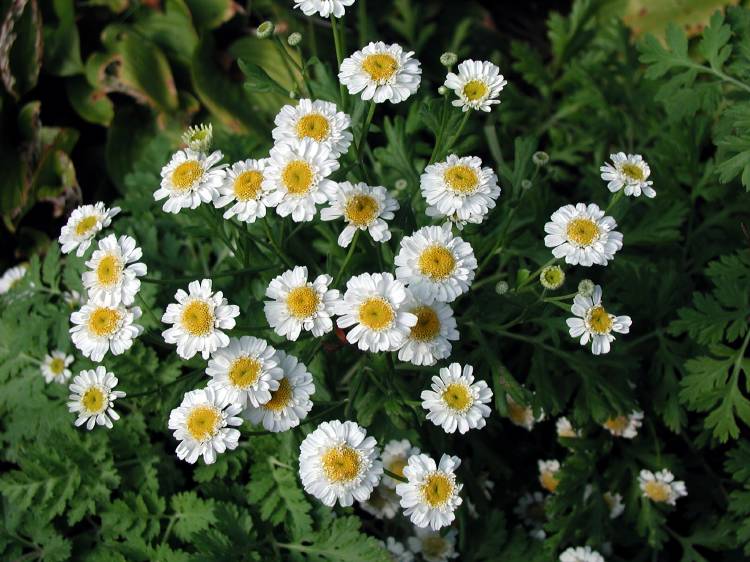
We can also find relief for migraines in a natural herbal shop, where I can recommend tried-and-true herbs—especially tinctures made from plant buds, a form of gemmotherapy that’s becoming increasingly well-known. One of the herbs used to treat migraines is common Rimbaba, which is a proven remedy for pain relief. Rimbaba dilates blood vessels, relieves headaches and migraines, and is also effective for menstrual cramps. Another gemmotherapy preparation is a tincture containing St. John’s wort, sage, mint, and lemon balm, or a tincture made from round-headed witch hazel. Ginkgo is also recommended.
Among single-herb teas, I’ll mention lavender, hop cones, vervain, and valerian.
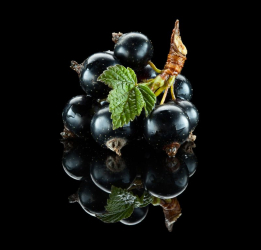
If the migraine is caused by the hormonal imbalance mentioned above, a suitable remedy is a herbal blend also made from plant buds—specifically, the Femina T9 + P10 tincture (blackcurrant, blackberry, and raspberry), which regulates ovarian function. Since everyone is different, other recommended combinations of tinctures include, for example, Femina T9 + Rimbaba P65 or Femina T9 + Tribulus P56.
Let’s not forget that the first step when experiencing the initial signs of a headache is to drink at least half a liter of water at once. The pain should subside.
Mgr. Dagmar Machničová http://www.zdravysvet.sk