SK
 CZ
Types of Iranian Saffron
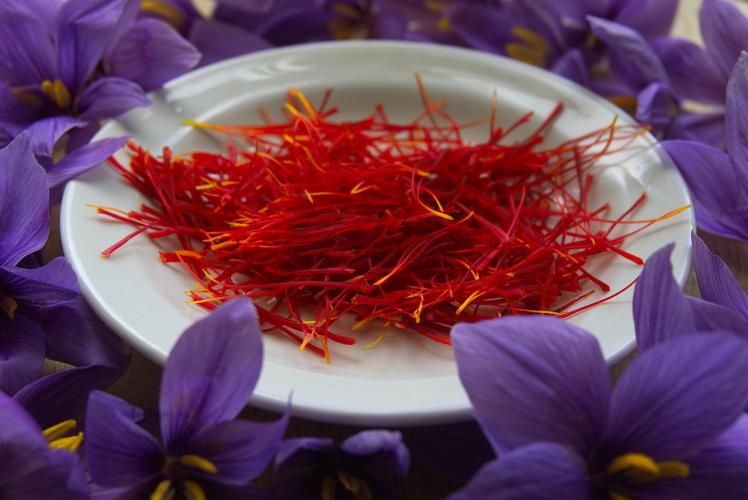
Iranian saffron is divided into several types based on quality and the part of the flower from which it is harvested. The best-known types are Negin, Sargol, Pushal, and Bunch saffron. Negin represents the highest quality, with long, thick red threads free of yellow or orange parts. Sargol, meaning “flower tip,” contains pure red threads and is highly prized for its strong aroma and coloring power. Pushal consists of partially red stigmas with a small amount of yellow at the tip, indicating a lower but still high quality. Bunch saffron, also known as Dasteh, consists of whole flowers, including red stigmas and yellow stems, and is considered the most affordable option.
Tradition and Cultivation
Saffron cultivation in Iran has deep historical roots, with traditions dating back thousands of years. Iranian saffron is grown primarily in the provinces of Khorasan, where ideal climatic conditions—cold winters and hot, dry summers—create the perfect environment for cultivating this precious plant. Growers use traditional methods that have been passed down from generation to generation, including the manual planting, harvesting, and processing of Crocus sativus bulbs, from which saffron is derived.

Harvesting and Processing
Harvesting saffron is a demanding and labor-intensive process carried out by hand in the early morning hours to preserve the highest possible quality of the spice. Workers must carefully remove the red threads (stigmas) from the flower, a task that requires precision and dexterity. After harvesting, the threads are dried, which intensifies their flavor, color, and aroma.
Health Benefits
Saffron is known not only for its flavor and aroma but also for its many health benefits. It contains antioxidants that help fight free radicals and inflammation. It is also credited with antidepressant effects, the ability to improve mood, and the promotion of healthy sleep. In addition, saffron is used in traditional medicine to aid digestion, improve eyesight, and support the treatment of cardiovascular diseases.
This spice is also important for supporting digestive health. Saffron can help with digestive issues thanks to its anti-inflammatory properties, so we should include it in our diet. We recommend regularly drinking saffron-elderberry syrup, which you can use to make delicious saffron-elderberry water. We recommend it especially for people suffering from constipation, but anyone can drink it as a preventive measure to ensure the digestive tract functions properly.
Did you know that saffron:
1. Is a powerful antioxidant
Saffron contains an impressive range of plant compounds. These act as antioxidants—molecules that protect your cells from free radicals and oxidative stress. Significant saffron antioxidants include crocin, crocetin, safranal, and kaempferol. Crocin and crocetin are carotenoid pigments responsible for saffron’s red color. Both compounds have antidepressant properties and protect brain cells from damage. They reduce appetite and aid in weight loss. Safranal gives saffron its distinctive taste and aroma.
2. It may help treat symptoms of mild to moderate depression.
3. It may reduce PMS symptoms
Some studies suggest that eating and smelling saffron can help alleviate PMS symptoms such as irritability, headaches, food cravings, pain, and anxiety.
4. It may act as an aphrodisiac
Others suggest that saffron may have aphrodisiac properties for both men and women and may be particularly helpful for those taking antidepressants.
5. Other Potential Health Benefits
Saffron has been linked to other health benefits that have not yet been thoroughly studied in humans, but animal studies have shown that saffron may reduce risk factors for heart disease. In vitro studies suggest that saffron’s antioxidant properties may lower blood cholesterol levels and prevent the clogging of blood vessels and arteries. Saffron may lower blood sugar levels and increase insulin sensitivity, as seen in test-tube studies and in mice with diabetes. It may improve vision in adults with age-related macular degeneration (AMD). Saffron appears to improve vision in adults with AMD and protect against free radical damage associated with AMD. The antioxidant properties of saffron may improve cognition in adults with Alzheimer’s disease.
Interesting Facts
Iran accounts for more than 90% of global saffron production.
It takes 150,000 to 200,000 flowers to produce one kilogram of saffron.
Saffron is used not only in cooking but also in cosmetics and dyeing, where its strong pigment gives products a vibrant red to golden color.
Iranian saffron is a true treasure that has retained its value and uniqueness for centuries. Its cultivation, harvesting, and use are a testament to cultural heritage and traditional methods that are a source of pride for Iran and a treasure for the entire world.
Here area few quick saffron-inspired ideas for you ( to help you calculate how much saffron you’ll need for your dish: for 4 servings, you’ll need about 0.5 g of saffron —one small packet):
1. Saffron Rice with Zander

Ingredients: 250 g catfish fillet, 1 cup Arborio rice, 1/4 teaspoon saffron threads, shallot, salt to taste, 2 cups vegetable broth, four-color pepper mix, chili, butter
Instructions: Soak the saffron in 1/4 cup of warm water for 10 minutes. Sauté the shallot in olive oil, rinse the rice, add it to the shallot, and cook in 2 cups of vegetable broth with the saffron infusion and salt until the rice is tender. Season the catfish fillet with salt and pepper, then grill briefly on an electric grill or in a skillet.
2. Saffron Risotto with Shrimp

Ingredients: 1 cup Arborio rice, 1 small onion, chopped, shrimp, 1/2 glass white wine, 4 cups chicken broth, 1/4 teaspoon saffron threads, 1/2 cup Parmesan cheese, salt, black pepper, 2 tablespoons butter.
Directions: Melt the butter in a skillet over medium heat and sauté the onion until translucent. Add the rice and stir until the rice is translucent. Add the wine and let it reduce. Gradually add the broth, waiting each time until it is absorbed. Add the saffron, salt, and pepper. Add the shrimp during the last 5 minutes. Finally, stir in the Parmesan.
3. Saffron Chicken Curry

Ingredients: 500 g chicken, 1 onion, 2 cloves of garlic, 1 teaspoon ground turmeric, 1/2 teaspoon saffron threads, 1 can coconut milk, salt, pepper, oil.
Directions: In a skillet over medium heat, sauté the onion and garlic until golden brown. Add the diced chicken and sauté until golden brown. Add the turmeric, saffron, salt, and pepper. Add the coconut milk and simmer over low heat for about 20 minutes. Serve with basmati rice.
4. Spanish Paella with Saffron

Ingredients: 2 cups paella rice, 4 cups broth (chicken or vegetable), 1 teaspoon saffron threads, 1 red bell pepper, 200 g seafood (shrimp, mussels), 2 medium tomatoes, 1 onion, 2 cloves of garlic, salt, pepper, olive oil, canned peas.
Directions: In a large skillet over medium heat, sauté the onion and garlic until translucent. Add the chopped bell pepper and tomatoes, and sauté. Add the rice and saffron dissolved in the broth. Add the remaining broth, seafood, salt, and pepper. Cook until the rice is tender. Finally, you can add canned peas.
Saffron is a fascinating spice whose uses extend far beyond the kitchen. Its potential health benefits in traditional medicine suggest that we should pay more attention to it.
Using saffron not only adds a beautiful color to dishes but also an unmistakable flavor and aroma. With these recipes, you can create true culinary masterpieces that will impress anyone who tastes them.
Photo by Peter Kraayvanger, Johan Puisais, DanaTentis, günter, Reinhard Thrainer from Pixabay