SK
 CZ
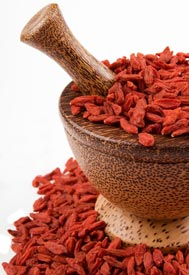
Goji berries are the dried fruits of the Chinese wolfberry (Lycium chinensis). 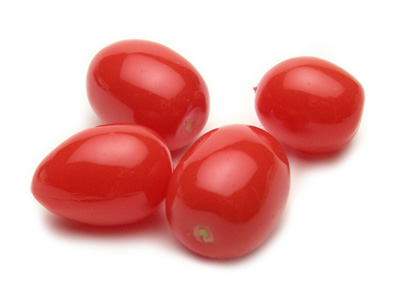 Goji berries are a deep red color and are about the size of dried raisins. Their taste is reminiscent of a cross between a cranberry, an apple, and a rosehip. Goji berries grow in fertile soil in the foothills of the Himalayas on medium-sized shrubs. In these regions, where goji berries are a common part of the diet, we find populations with the longest average life expectancy on Earth.
From a nutritional standpoint, goji berries are quite possibly the most valuable fruit on the planet! They contain 18 types of amino acids, including all eight essential ones (e.g., tryptophan and isoleucine), as many as 21 trace elements (such as zinc, iron, copper, calcium, germanium, selenium, and phosphorus), and are one of the richest sources of carotenoids among all known fruits on Earth (as indicated by their bright red color). When it comes to beta-carotene, goji berries are richer than carrots. They also contain vitamins C, B1, B2, B6, and E.
We must also mention beta-sitosterol. This plant sterol is currently used in supportive treatment for high cholesterol levels, as well as for prostate problems, and it also has anti-inflammatory effects.
Unique to goji berries is the group of lycium polysaccharides. These are exceptionally powerful antioxidants—substances that neutralize free radicals. In doing so, they help prevent cellular damage and the aging of the body.
Dr. Bob Delmonteque, an American physician who has served for many years as a medical consultant for the *Journal of Longevity Research* and *Muscle and Fitness* and as a researcher, states: “More than 15% protein, 21 trace minerals, and 18 amino acids make goji berries a unique, nutrient-packed ‘superfood’ that exceeds all known criteria. What impresses me most is the amount of global clinical research supporting goji berries. It has been proven that the lycium polysaccharides contained in goji berries have truly remarkable antioxidant and immune-boosting properties.”
Because fresh goji berries oxidize and turn black upon contact with the skin, they are gently shaken onto sheets during harvesting and then dried in partial shade until they lose most of their water content. The entire cultivation and processing process is very gentle and strictly avoids artificial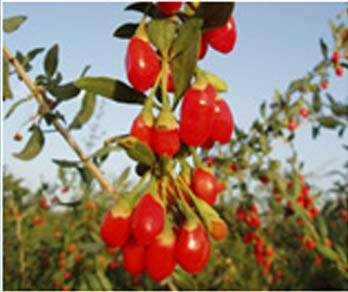 drying and the use of any chemicals. This ensures maximum “vitality” of the dried berries and thus preserves their highest possible nutritional value.
Goji berries are eaten on their own as an exceptionally healthy snack, or added to cereal mixes and yogurts. They’re also great in fruit cocktails and smoothies, which can be made with a base of super-nutritious hemp milk, for example. A Chinese specialty is making tea from goji berries, similar to how we make rosehip tea.
Goji berries can also be eaten after steeping. Experts say that consuming about 30 grams a day (a small handful) is enough to achieve their beneficial effects.