SK
 CZ
Every day, we are exposed to factors that negatively affect our health. Stress, environmental pollution, and an unhealthy lifestyle cause the release of free radicals. These accelerate the aging process and are responsible for the development of many diseases. Antioxidants help combat these influences and can be found in many foods and dietary supplements.

What are antioxidants, what effects do they have, and which ones are the most powerful?
Antioxidants are natural or synthetic substances that help protect the body from free radicals and oxidative stress. Free radicals are produced naturally during metabolic processes, but also as a result of environmental pollution, an unhealthy lifestyle, certain medications, or stress. High levels of free radicals in the human body cause cell damage, which leads to accelerated aging and various diseases.
Not only do antioxidants protect cells from the harmful effects of free radicals and oxidative stress, but they can also strengthen the immune system, reduce inflammation in the body, protect the cardiovascular system, support cognitive function, and contribute to skin health.
Among the most powerful antioxidants are:
- Glutathione —considered the “master” and most powerful antioxidant. The body produces it on its own, but supplementation is often necessary. It supports detoxification and cell regeneration.
- Vitamin C – a powerful antioxidant that the human body cannot synthesize, so we must obtain it from our diet. It supports collagen production, immune system health, cardiovascular health, and improves iron absorption.
- Vitamin E – Thanks to its ability to combat free radicals and oxidative stress, vitamin E helps protect cells from damage, slows skin aging, and supports the health of the heart, eyes, liver, and immune system. Our bodies cannot produce vitamin E on their own, so it is essential to obtain it from our diet.
- Coenzyme Q10 – best known as an ingredient in anti-aging skincare products, it also helps with low energy, supports heart health and overall vitality, and helps regulate blood sugar. Coenzyme Q10 levels in the human body decline with age.
- Selenium – this powerful antioxidant supports cardiovascular health, strengthens the immune system, and is important for reproductive, cognitive, and endocrine functions. Selenium is a trace element that we consume through food or in the form of dietary supplements.

List of the 10 Best Natural Antioxidants for Health and Weight Loss
Antioxidants are naturally found in many foods. Healthy fruits, vegetables, and other foods help protect the human body against heart disease, cancer, cognitive decline, and many other illnesses.
Antioxidants and the superfoods that contain them can also contribute to weight loss and weight management by reducing inflammation, boosting metabolism, and improving fat burning. If you consume antioxidant-rich foods in moderation, incorporate various types of exercise into your lifestyle, and focus on a balanced diet, weight loss won’t be long in coming.
Berries
Blueberries, strawberries, raspberries, blackberries, aronia berries, and other berries are true superfoods. They contain various types of antioxidants that support brain function, reduce inflammation, regulate blood sugar levels, and neutralize free radicals. They’re an excellent source of vitamin C, contain fiber that’s important for digestive health, and are low in calories, making them a great healthy snack for those who want to lose weight healthily or maintain their weight.
Dark Chocolate
High-quality dark chocolate with at least 70% cocoa contains antioxidants called flavonoids. These are associated with a reduced risk of cardiovascular disease. Consuming dark chocolate in moderation can also improve mood, blood flow to the brain, and cognitive function.
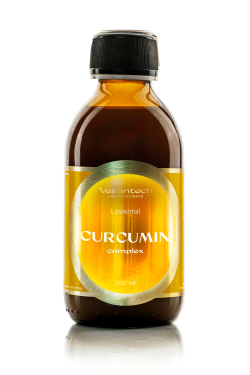
Not only is turmeric a powerful antioxidant capable of neutralizing free radicals, but it can even enhance the effects of other antioxidants. The active compound in turmeric is called curcumin, and it also has anti-inflammatory and antimicrobial effects. It helps with liver strain, improves digestion, bone health, and conditions related to skin diseases or vision problems. It also contributes to weight loss by regulating blood sugar and limiting fat storage.

Avocados and Nuts
Avocados are naturally high in glutathione, one of the most powerful antioxidants. They’re also rich in vitamin E, coenzyme Q10, selenium, and healthy fats. Avocados support heart, brain, bone, and eye health, as well as digestion, and are an ideal food for dieting. They are rich in fiber and promote a feeling of fullness, thereby supporting weight loss efforts.
Like avocados, nuts contain healthy fats that help you feel full longer. Nuts are also rich in vitamin E, phenolic compounds, zinc, and other antioxidants. It is generally recommended to eat no more than one small handful per day, as larger amounts can lead to digestive problems and weight gain.
Green Leafy Vegetables and Cruciferous Vegetables
Spinach, kale, and other types of green leafy vegetables contain the antioxidants lutein and beta-carotene, as well as vitamins C, E, and K. They help neutralize free radicals, support eye, digestive, and heart health, and reduce inflammation in the body. Broccoli, cauliflower, and cabbage are superfoods that help prevent cancer—they contain sulforaphane and indole, which are exceptionally powerful and effective antioxidants.
Asparagus
Asparagus is a good source of glutathione, flavonoids, and other polyphenols. These compounds support detoxification, strengthen the immune system, and protect the body against various diseases. Asparagus is high in fiber, which promotes healthy bowel movements. It has diuretic effects and helps prevent water retention in the body.
Lean Meat
Lean chicken, turkey, and beef are rich in antioxidants such as selenium, coenzyme Q10, and glutathione. High-quality meat is also a suitable part of a weight-management diet—it is low in saturated fat and contains the protein necessary for muscle growth and recovery. Regular consumption of lean meat helps maintain muscle mass, keep blood sugar levels stable, and prevent sudden bouts of intense hunger.
Plants of the garlic genus
Garlic, onions, shallots, leeks, and chives are rich in the antioxidant allicin, a compound responsible for their characteristic taste and aroma. They have antibacterial, antibiotic, antiviral, anti-inflammatory, and antifungal effects. Consuming garlic and its related plants offers numerous health benefits. In addition, they support metabolism and digestive health, which can aid in weight loss.
Citrus Fruits
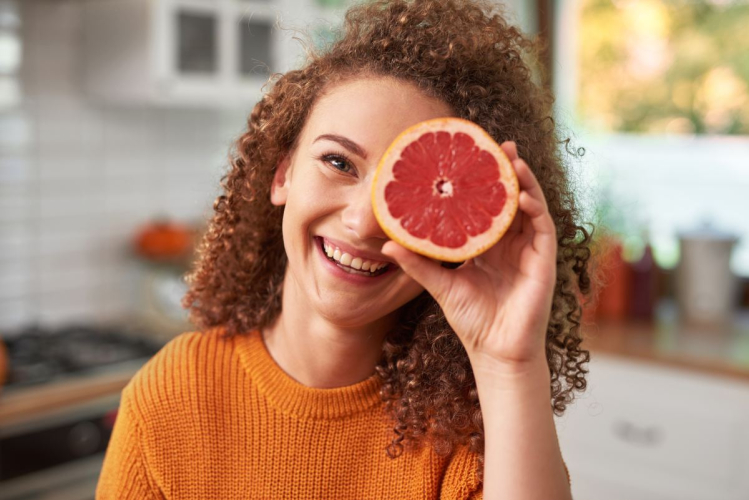
Lemons, oranges, limes, and grapefruits are among the most common dietary sources of flavonoids. They support heart health, reduce inflammation in the body, and help regulate blood sugar levels. Citrus fruits are also rich in vitamin C and are an excellent dietary supplement for strengthening the immune system. Since vitamin C supports collagen production, citrus fruits are also important for healthy skin and joints. The sweet or refreshing taste of citrus fruits and their low calorie content make them an ideal part of a healthy diet.
Green Tea
Green tea is a rich source of flavonoids and catechins, which are particularly powerful antioxidants that protect the body and help fight cancer. 1–2 cups of green tea a day also support heart and brain health and improve concentration. Drinking green tea regularly helps speed up metabolism, promotes fat burning, and regulates blood sugar.
Antioxidants are essential for a strong immune system, a healthy heart, and overall well-being. A balanced diet is often the best source of the antioxidants needed for the regeneration and growth of healthy cells. Consuming antioxidant-rich foods and appropriate dietary supplements is key, but it’s important to do so in moderation. By incorporating a variety of antioxidants into your daily diet, you’ll take a step toward better health, greater vitality, and maintaining a healthy weight.
Laura Hrnčiarová, editorial staff at www.zdravysvet.sk
PHOTO SOURCE: preepik.com