SK
 CZ

What will you learn in this article about atopic eczema?
- What does atopic eczema look like?
- Atopic eczema in children
- Atopic eczema in adults
- Atopic eczema—diet
- The histamine-restricted diet
- Other Causes of Atopic Eczema
- The Most Effective Treatment for Atopic Eczema
- Herbal Tinctures
- Probiotics
- Topical Care
- Folk remedies
- Prevention
Atopic eczema, also known as atopic dermatitis, is the most common form of eczema. It is most frequently observed in children, but overall, atopic eczema affects approximately 30% of the world’s population.
The causes of atopic dermatitis can vary widely, ranging from genetic predisposition to skin infections to allergies to certain foods or medications. Atopic eczema on the hands and face can be particularly unpleasant!
If you’re wondering which of these factors most commonly contribute to this condition, what treatment to choose, and whether diet can help treat atopic eczema, read on.
What does atopic eczema look like?
Itchy red bumps or even weeping blisters appear on very dry skin, accompanied by flaking and redness of the surrounding skin.
- In atopic eczema,very dry skin is primarily caused by abnormal function of the sebaceous glands in the skin, insufficient activity of the sweat glands, and a reduced ability to retain water.
- Itching, burning, and tenderness in the affected areas are perhaps the most common symptoms of atopic dermatitis.
PLEASE NOTE: To ensure an accurate diagnosis, a consultation with a specialist—a dermatologist—is necessary. Atopic eczema can resemble a number of other skin conditions, such as other types of eczema, fungal infections, psoriasis, and so on.
Tip: Vegetable oil can also help relieve the painful symptoms of eczema. Coconut oil or avocado oil are recommended, for example , while castor oil is best used directly on extra-dry areas . You can also draw on the expertise of herbalists and use their specially formulated ointments, such as Ekzelup ointment or the four-flower ointment from herbalist Podhorná.
Atopic Eczema in Children
Unfortunately, atopic eczema in children manifests as early as infancy and is accompanied by characteristic symptoms. When atopic eczema appears in an infant, it is generally referred to as infantile eczema.
- Infantile form— at the first signs, we usually observe atopic eczema on the face and hands. Eczema typically begins to appear between 2 and 6 months of age, manifesting as red bumps or even blisters with scaling or oozing on the cheeks and chin, but it can spread to the torso, limbs, and the entire head. Atopic eczema in infants is particularly uncomfortable; it causes itching, and the child sleeps very poorly and is restless.
- The childhood form— eczema— occurs between the ages of 3 and 10. In addition to the face, eczema often appears extensively in the elbow and knee creases. The skin in the affected areas is thickened and cracked. Scratching leads to the development of new skin lesions.
Later in this article, we will describe natural treatments for atopic eczema.

Atopic Eczema in Adults
With proper care, eczema usually resolves during adolescence. However, atopic dermatitis is a chronic, recurrent skin condition; therefore, even if we manage to alleviate the skin symptoms, it is quite likely that the symptoms will reappear sooner or later.
- Adult Form —Atopic eczema in adults most commonly occurs on the hands, feet, abdomen, and face. The itching is intense and affects patients’ daily lives, mood, sleep, and activities.
Atopic Eczema – Diet
Many people are unaware that atopic eczema can be triggered by allergies or intolerances to certain foods, an inappropriate diet, or an unhealthy lifestyle . Cow’s milk and eggs are also common allergens in patients with atopic dermatitis .
Can diet help treat atopic eczema?
Some foods may not be direct allergens, but they can significantly worsen atopic eczema. The body simply cannot tolerate them. Most often, these are foods that increase histamine levels (a hormone and neurotransmitter produced by a wide range of cells) in the body. For this reason, a short-term histamine-restricted diet has also proven effective in treating atopic eczema.
Histamine Diet
Foods containing high levels of histamine:
- fermented, leavened, and canned foods,
- alcohol,
- aged cheeses,
- smoked meats,
- certain vegetables, such as tomatoes or spinach,
- fruit, especially strawberries and pineapple
- chocolate,
- seafood.
Other causes of atopic eczema
- genetic predisposition,
- skin infection,
- bacterial inflammation.
In addition to genetic factors and certain foods , there are also lesser-known but extremely important causes of atopic eczema:
- dust mites (most commonly Dermatophagoides farinae),
- molds and bacteria in house dust,
- pollen from trees (birch, hazel, alder, poplar, and others) and grasses,
- animal dander—from cats, dogs, horses, and small rodents,
- but also, for example, stress (which disrupts hormonal balance) or cosmetic products
- temperature, cold, low humidity, UV radiation, and others.

The Most Effective Treatment for Atopic Eczema
The most effective treatment for atopic eczema is, of course, one that does not take an additional toll on our health. We would therefore like to draw your attention to an effective natural treatment which, unlike various chemically processed medications, has no negative effects on the overall functioning of our body—a major advantage, especially for pediatric patients.
Herbal Tinctures
These are an important component of natural treatment for atopic eczema and dermatitis. They are usually combined in various ways to take advantage of their synergistic effects.
Black currant, a natural corticosteroid —especially for atopic eczema, we recommend black currant tincture with beta-glucan, whose mechanism of action resembles that of a “natural corticosteroid” without side effects, thereby significantly soothing unwanted atopic symptoms.
Some medicinal mushrooms have a beneficial effect on the skin— regular use of the velvet-capped fire mushroom also exhibits exceptional healing properties, and it is often combined with black currant. It can be used generally for allergies, eczema, and skin problems. The effects of the velvet-stemmed fire mushroom can be enhanced by another medicinal mushroom, Reishi Ganoderma.
If atopic eczema is caused by an allergy, we recommend combining Clethra with a blend of medicinal plants: black currant, viburnum, and rosemary. Even if you don’t think you have allergies, we always recommend trying this combination of medicinal plants, as you may simply be intolerant to “something.”
An extremely important factor affecting the condition of atopic eczema is the state of the gut microbiota —to stabilize the digestive tract, we recommend taking a concentrated extract of the Chaga mushroom. When symptoms are severe, it is recommended to take Chaga concentrate 2–3 times a day. Add a small teaspoon of the extract to 2 dcl of water and drink it on an empty stomach; for prevention, taking it once a day—preferably in the evening—is sufficient. We also recommend combining Chaga with special probiotics
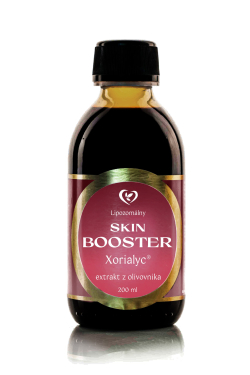
You can also use the special liposomal preparation “Healthy Skin,” which combines the best of nature and science. Our “Healthy Skin” contains a unique olive extract—Xorialyc®—the result of scientific research that clinical studies have confirmed to be exceptionally beneficial for the skin.
Probiotics
- For adults who are not lactose intolerant, we recommend these special RAW probiotics, “Colon Care,” which contain 33 probiotic strains, 50 billion CFU per dose, as well as 17 types of digestive enzymes for better digestion. They significantly strengthen the immune system, and the composition of these probiotics creates the conditions for a healthy large intestine. If you are lactose intolerant, take only probiotics certified as “dairy-free”; otherwise, paradoxically, regular probiotics may actually worsen your condition.
- For children, we recommend Super Probiotics for Kids, with a wild berry and cherry flavor, in the form of 30 chewable tablets for easier use.
External Care—Cream for Atopic Eczema
When it comes to topical care, it is undeniable that mineral waters—especially those containing iodine—have an exceptionally beneficial effect on the skin in cases of atopic eczema.
- That is why we recommend an exceptional iodine-rich water from Croatia, sourced from the Filipanna Panea Delta spring.
Spray Panea Delta water onto the affected areas several times a day and let it dry. Where atopic eczema is more severe, apply a cosmetic pad soaked in this mineral water and let it sit for at least 10–15 minutes. You can also secure the pad with a band-aid to keep it in place on the skin during this time.
- Do you know which cream is most effective for atopic eczema? After treating the skin with mineral water, apply Panea Alpha iodine cream for atopic eczema —this cream also has a significant anti-aging effect, so you can use it as a regular moisturizer as well.
Natural treatments also require discipline and consistency, but the results won’t be long in coming.

Folk Remedies for Atopic Eczema—Homemade Decoctions
There is also an alternative treatment for this troublesome condition using homemade decoctions.
- Dandelion decoction: Pour 1 liter of hot water over 2 tablespoons of ground, dried dandelion root and bring to a boil. Remove from heat and add a few freshly picked dandelion leaves. Let steep for at least 8 hours. Then strain and drink half a cup before meals (warm it up).
- Birch decoction: Placeyoung birch twigs, along with their leaves, into a pot of water and bring to a boil. Once the decoction has cooled, soak a piece of gauze in it, apply it to the area affected by eczema, and secure with a bandage. Go to bed. You can use the decoction until it runs out. It will last up to a week.
- Oat Decoction: An oat bath is good for treating atopic eczema in babies. Fill the baby’s bathtub with water that’s slightly warmer than usual and let the oats steep in it for at least 15 minutes. Then strain out the oats, and the bath for your baby is ready.
Extra tip: A trip to the seaside—where seawater combines with sunlight—has a beneficial effect on atopic dermatitis. Ideally, the trip should last fourteen days so that the atopic skin can adjust to the seawater.
Proper prevention is the final step.
People with atopic eczema should thoroughly moisturize the skin on their body and face after every bath or shower. Use as few chemicals as possible in creams and shower products. Keeping pets indoors is not recommended. If a food allergy or intolerance has been diagnosed, the person should avoid these allergens or problematic substances. For people with atopic conditions, we strongly recommend reducing the amount of dust mites and mold in household dust. This can be achieved by drying laundry in a dryer and maintaining indoor humidity between 40–60%. Therefore, for the bathroom—which is the main source of mold and moisture in the home—we recommend purchasing an electric dehumidifier. Mold is extremely dangerous and significantly affects the condition of atopic eczema. The problem with mold is that we often cannot see it. By the time we do see it, it has already multiplied massively. That’s why we must fight mold primarily through prevention. It multiplies rapidly at humidity levels above 60%. An 80% humidity level is a PARADISE for it. It’s also a good idea to remove unnecessary drapes, curtains, and carpets.
We hope our advice will help you manage not only atopic eczema but also various other skin problems naturally.
Ing. Pavol Machnič & the Zdravý svet team

Photos by StockSnap, Myriams-Fotos, ExplorerBob, and Peter H from Pixabay