SK
 CZ
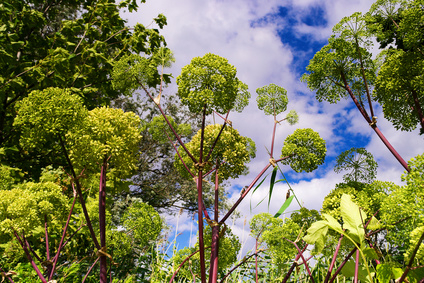
Slovak: Chinese angelica, Latin: Archangelica sinensis, Czech: Chinese angelica
Chinese angelica was already cultivated by medieval monks in monastery gardens as a remedy against the plague. Medieval herbals state that Chinese angelica was named after the archangel Michael—archangelos comes from Greek and means “archangel”—because, like him, it protected against evil. It is also commonly referred to as the “plant of angels.”
Since it does not grow in the wild, its exceptionally medicinal root can only be obtained from cultivated plants, but it is also commonly available for purchase in our herbal shops.
Due to its invigorating effect on the body, we rank it alongside such renowned plants as ginseng and calamus.
Traditional recipes recommend taking it before a demanding day—such as before an exam, a performance, or a meeting—to promote physical and mental well-being. Its effects help alleviate increased physical strain and stress.
Its bitter root can also be used for digestive disorders; it increases the secretion of digestive juices and stimulates the appetite. It mildly increases intestinal peristalsis and helps relieve flatulence. It soothes pain and cramps. It is also often used in bitter liqueurs.
It helps with migraines, dizziness, and insomnia.
Angelica is also used for immune system issues, poor blood circulation, and to generally strengthen the body—for example, after an illness or during convalescence.
In our herbal shops, you’ll find its relative, Chinese angelica, in the form of a popular tincture under the code Archangelika T60.
Women will appreciate Chinese angelica for gynecological issues; it regulates the menstrual cycle and alleviates menopausal symptoms. Chinese angelica contains plant-based phytoestrogens and is one of the few plants that influence progesterone levels.
We never exceed the recommended dosage. Even Chinese angelica, in higher doses, can have the opposite effect, which could lead to failure when used as recommended.
Ing. Pavol Machnič and Mgr. Dagmar Machničová, editorial staff of www.zdravysvet.sk