SK
 CZ

Gut health and good digestion also affect resistance to infections, metabolism, sleep, and even mood and mental health. If you want to boost your immunity naturally, the first steps should be changes to your diet, daily activities, and habits. This doesn’t mean you have to turn your whole life upside down— sometimes just small changes and adjustments are enough to make you feel better and be healthier.

Daily Habit #1: Start your day with a glass of warm water with lemon and a liver booster.
A simple morning ritual of drinking warm water with lemon juice on an empty stomach can help kick-start your metabolism, cleanse your digestive tract, and replenish fluids after a night’s sleep. Lemon contains vitamin C and antioxidants, which are very important for boosting immunity and protecting against illness. Lemon stimulates the production of gastric juices, thereby naturally aiding digestion. However, it can cause heartburn in more sensitive individuals, so be careful with the amount of lemon juice you use. It’s also a good idea to drink lemon water through a straw and then rinse your mouth with clean water—this will protect your tooth enamel from acid damage.
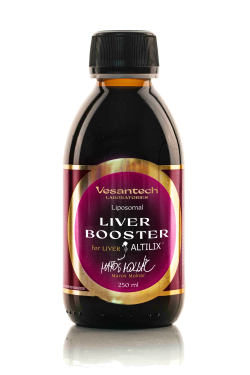
To further boost your immunity and support the body’s detoxification process, add a liposomal liver booster to your morning drink. Although it can be taken at any time of day, it is most effective when taken on an empty stomach. The liver booster supports immunity, healthy liver function, and the body’s detoxification process. A combination of herbal ingredients, such as milk thistle, turmeric, and artichoke leaves, ensures safe detoxification, prevents the formation of “bad” LDL cholesterol, and has anti-inflammatory effects.
Daily Habit #2: Develop Healthy Eating Habits
What we eat (and how we eat it) has a significant impact on our immune system and digestion, which are closely linked. Diet influences inflammatory processes in the body, gut microbiota, immunity, energy levels, and even mood. The foundation of your diet should be food that is as fresh, varied, and minimally processed as possible, packed with vitamins, fiber, and antioxidants.
Your diet should include fruits and vegetables (ideally seasonal and locally grown varieties), whole grains, seeds, nuts, legumes, and healthy fats such as fish, avocados, flaxseed oil, and olive oil. On the other hand, sugar and processed foods put a strain on the digestive system. Alcohol and excessive caffeine intake also impair digestion and strain the liver. Eating too quickly and overeating can lead to bloating and digestive problems. An unhealthy diet lacking in vitamins weakens the immune system.

You can start with small steps. Gradually incorporate more healthy foods into your diet. Eat slowly, chew thoroughly, and focus on your food without your cell phone or the TV. Even small steps can significantly improve digestion and your overall health.
Daily Habit #3: Include Probiotics in Your Diet
Up to 70% of immune cells are found in the gut, and that’s exactly where a variety of bacteria thrive—both the good ones and the less beneficial ones. We must protect our gut microbiota because if it’s disrupted, not only does digestion suffer, but so does the body’s natural immune system.
To maintain healthy gut microbiota, it’s a good idea to include probiotics in your diet—whether in the form of various foods or dietary supplements. Probiotics are live organisms (most commonly bacteria) that help maintain and restore the health of the gut microbiota, support nutrient absorption, digestion, and immunity. Natural sources of probiotics include fermented foods such as sauerkraut, kefir, and yogurt. However, it is often difficult to get enough of them from a regular diet—especially when the gut microbiota is weakened or overburdened.
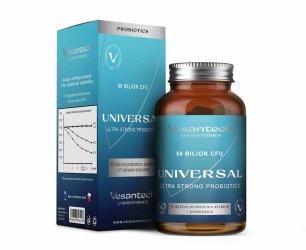
Unique super probiotics for adults. 50 billion CFU and 15 strains.
If you have a weakened immune system, are experiencing digestive issues, or have recently completed a course of antibiotics, it’s a good idea to take probiotics in the form of a dietary supplement. You’ll achieve the best results by taking probiotics regularly (daily) and combining them with prebiotics—a type of fiber that serves as food for probiotic bacteria and stimulates their growth and activity. Examples of prebiotics include inulin, chicory fiber, garlic, onions, and bananas.
Daily Habit #4: Get Moving Every Day
Exercise helps strengthen the immune system in several ways—it has a positive effect on the circulation of antibodies and white blood cells, which fight disease-causing pathogens. At the same time, it promotes the elimination of bacteria from the respiratory tract. It reduces inflammation, improves the body’s overall response to infection, and also supports natural bowel movements, thereby contributing to better digestion. Exercise improves blood flow to the digestive tract and has a positive effect on gut microbiota. In addition, exercise helps combat stress, which also has a negative impact on immunity and overall health.
Every step, stretch, or other type of movement counts. Just 30 minutes a day of brisk walking, yoga, cycling, or gardening brings significant health benefits. The key is to find a form of exercise that you enjoy and can easily fit into your day—your body will thank you for it.

Daily Habit #5: Get Enough Sleep and Focus on Stress Management
Getting quality sleep and relieving stress are pieces of advice you probably hear often. Although it’s easier said than done, sleep and mental well-being are the cornerstones of healthy digestion and a strong immune system. During sleep, the body regenerates—including the immune system and the gut. Lack of sleep reduces resistance to infections, disrupts hormonal balance, and negatively affects the gut microbiota. Chronic stress is similarly harmful; it weakens the immune response and oftencauses digestive problems —ranging from bloating and diarrhea to impaired nutrient absorption.
Ideally, establish a sleep routine—go to bed and wake up at roughly the same time every day, avoid using your phone before bed, make yourself some herbal tea or meditate, and get 8 hours of sleep. Try to find at least a little time for yourself every day—even a short workout, reading, or meditation can help. Although stress and demanding days can’t be completely avoided, even small steps can help. Also consider dietary supplements that contribute to mental well-being and improve sleep quality. These include lemon balm, ashwagandha, and St. John’s wort.
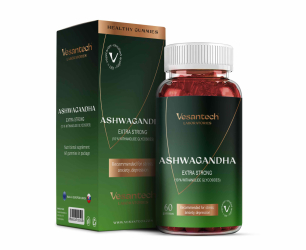
Ashwagandha Gummies – Natural balance for body and mind in the form of tasty gummies.
A glass of warm water with lemon and a detoxifying liver booster, regular exercise, incorporating probiotics into your diet, and quality sleep—all of these can have a significant impact on your health. If you give your body what it needs, you may start to feel the first results after just a few days. However, patience and consistency are also important—these habits can lay the foundation for a long and healthy life.
Laura Hrnčiarová, editorial staff at www.zdravysvet.sk
PHOTO SOURCE: preepik.com
Sources: